November 23, 2026
Proper management of residential wastewater systems represents a fundamental aspect of property upkeep that frequently goes unnoticed until major operational failures occur. Homeowners depend on these underground installations daily to handle all household plumbing output, yet the complex biological and physical mechanisms working beneath the surface are rarely given regular attention. When property owners overlook routine care, the consequences extend far beyond simple inconvenient household plumbing slowdowns. Neglected waste containment systems can cause severe localized structural damage, destroy landscaped grounds, and create significant health hazards for residents. Establishing a consistent schedule for professional septic tank cleaning guarantees that domestic systems continue operating safely without threatening household health or causing unexpected property damage.
Understanding how domestic wastewater treatment units operate allows homeowners to take active control of their long-term property investment. Every shower, laundry cycle, and toilet flush introduces liquid and solid material into an isolated underground processing tank that requires steady biological balance and regular mechanical maintenance. Without proper operational management, solid debris slowly accumulates, reducing the liquid capacity of the vessel and pushing unfiltered waste directly into surrounding drainage areas. Taking a preventive approach to system care stops minor mechanical issues from escalating into complete operational failure. By maintaining vigilant oversight, homeowners protect their investments, safeguard nearby groundwater resources, and maintain consistent indoor plumbing performance year after year.
Maintaining Underground Wastewater Processing Units
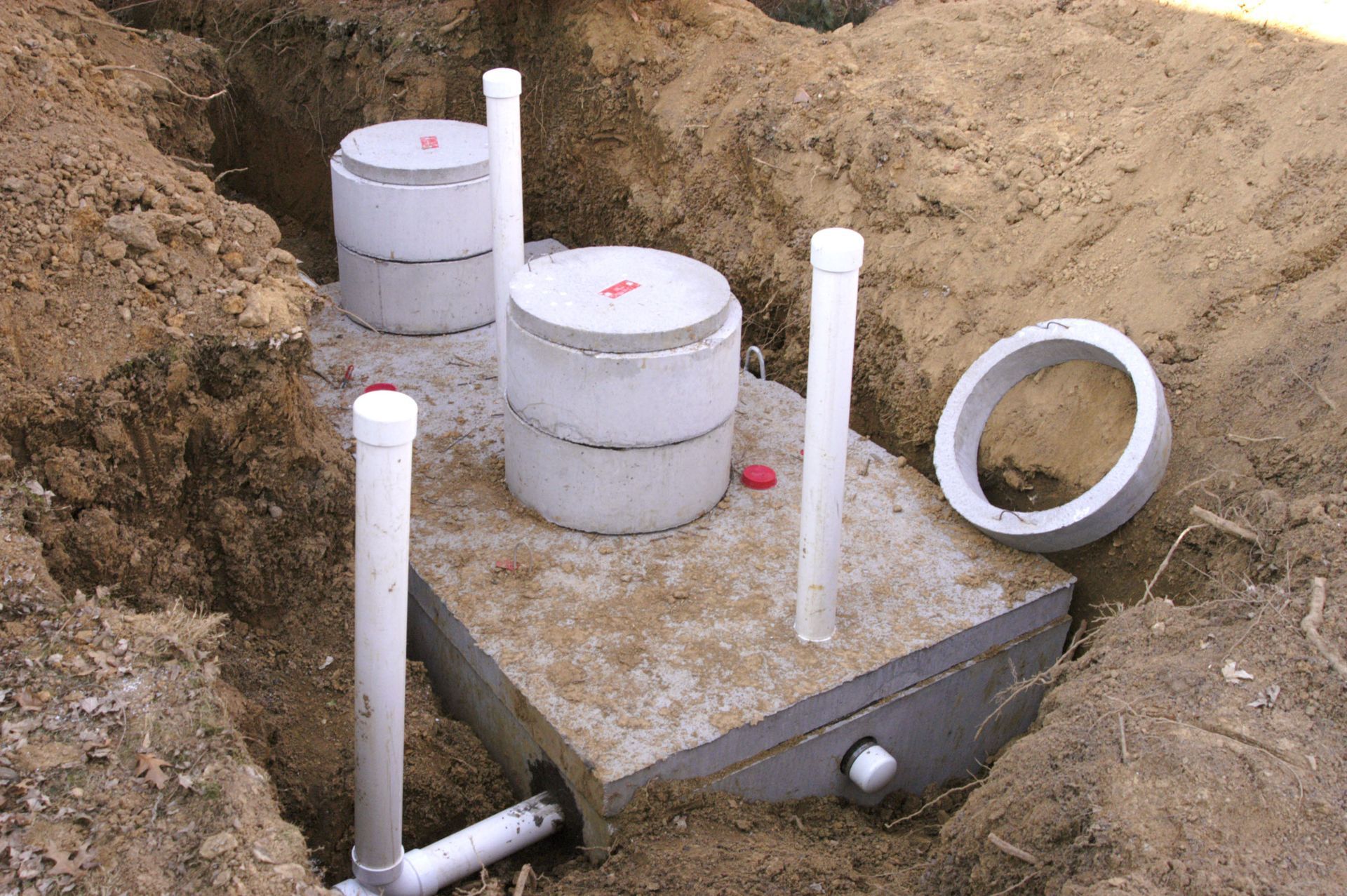
Underground wastewater treatment systems consist of several distinct structural elements that function together to process liquid and solid domestic waste safely. Wastewater flows directly from interior home plumbing fixtures into a subterranean holding vessel where solids settle toward the base to form a dense sludge layer while lighter fats and oils float upward to form scum. Clarified effluent situated between these two expanding layers then flows outward into a dedicated soil absorption field where natural soil biological processes perform final filtration. With over 20% of households in the U.S. relying on septic systems, according to the EPA, the need for awareness and proactive maintenance is significant.
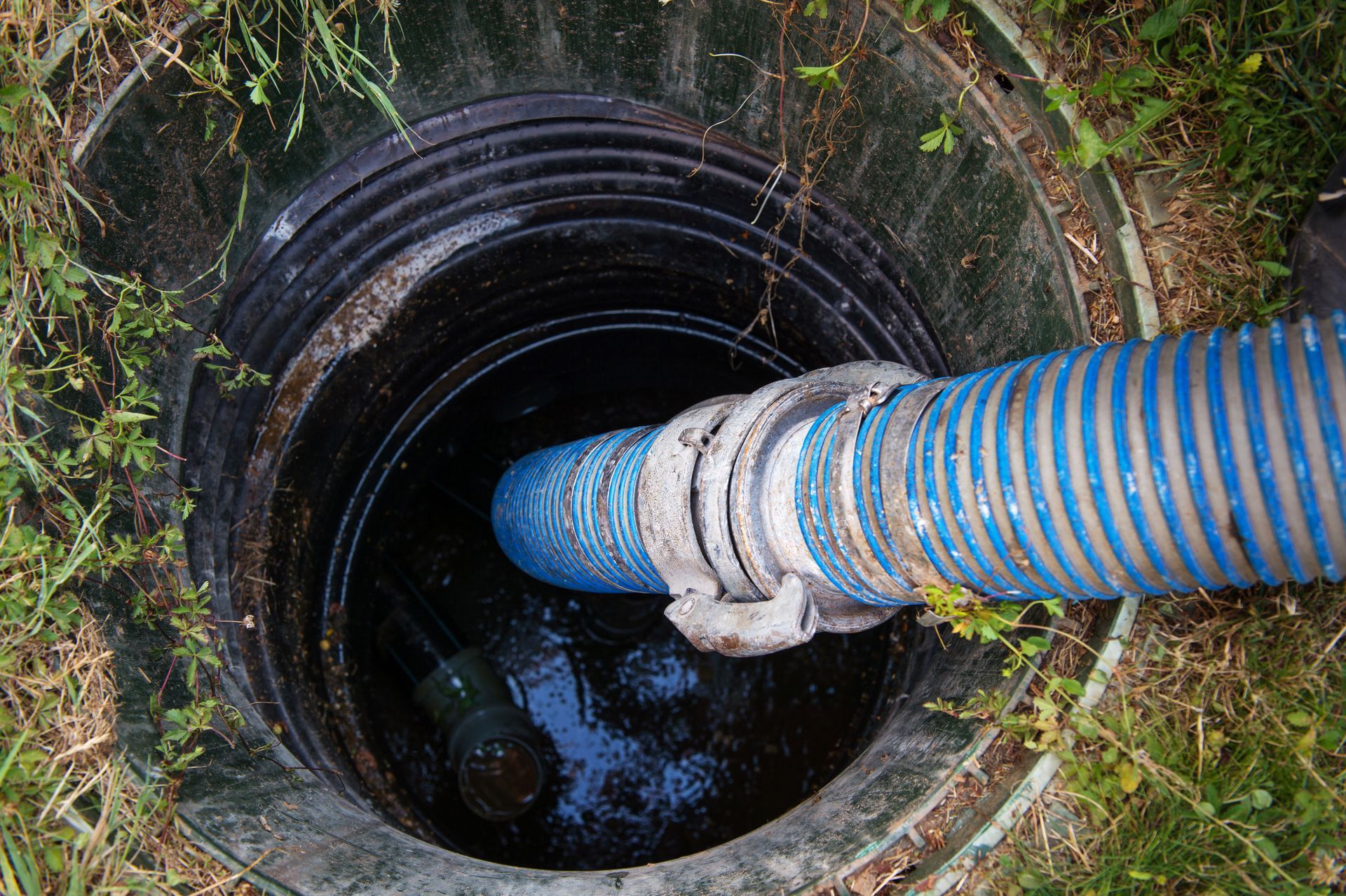
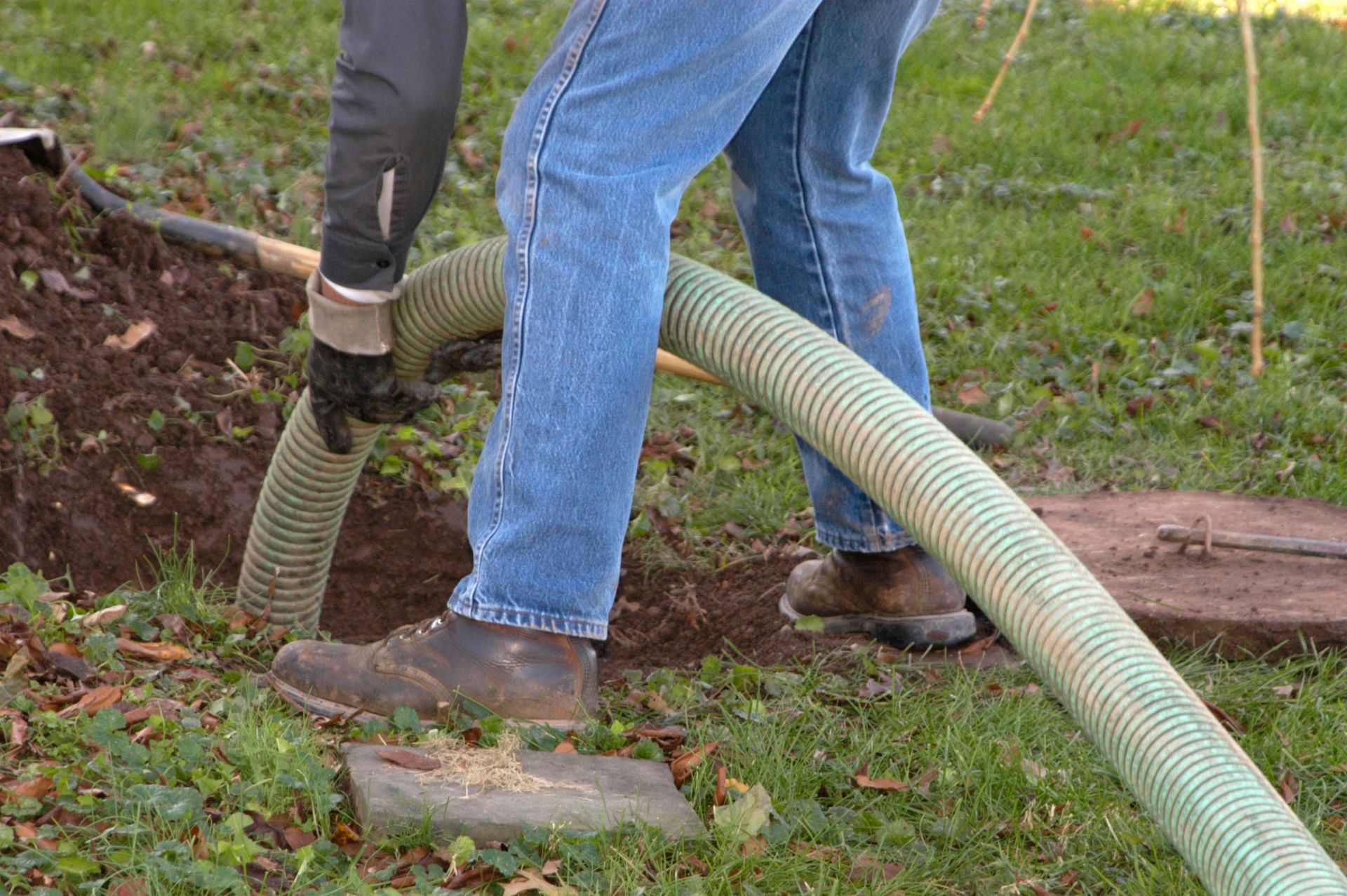
To preserve the functional integrity of these underground treatment components, property owners must arrange for periodic professional pumping and maintenance. Over extended periods of continuous household use, the settling zone inside the holding vessel narrows as heavy sludge builds up from below and scum thickens from above. If this internal space becomes excessively crowded, solid particles escape into the surrounding distribution pipes, blocking soil pores and causing catastrophic absorption field failure. Contracting experienced technicians for regular septic tank cleaning removes accumulated solid debris before it can escape, preserving natural filtration capacity and extending overall system lifespan significantly.
Preventing Severe Environmental Soil Damage
When an underground holding vessel is neglected for extended periods, untreated sewage inevitably overflows into the surrounding soil matrix and creates severe environmental damage. Raw wastewater contains high concentrations of organic pollutants, toxic household chemicals, heavy metals, and disease-causing biological pathogens that quickly ruin soil structure. As liquid waste saturates the yard, it forms stagnant foul-smelling surface pools that destroy manicured lawns, eliminate vegetation, and turn residential real estate into toxic biological hazard zones. This localized contamination severely degrades the immediate landscape, reduces usable outdoor property space, and presents persistent contamination issues that require expensive professional soil remediation.
The ecological damage caused by failing wastewater infrastructure often spreads beyond individual property boundaries into regional groundwater aquifers, streams, and coastal ecosystems. Excessive nitrogen and phosphorus entering natural water systems fuel aggressive toxic algal blooms that strip dissolved oxygen from aquatic habitats, causing massive fish die-offs and destroying delicate marine biodiversity. Additionally, polluted runoff can migrate into nearby drinking water wells, posing widespread regional contamination risks. Scheduling routine septic tank cleaning effectively prevents untreated solids from clogging drainage fields, stopping toxic nutrient runoff at the source and safeguarding local environmental ecosystems for surrounding communities.
Avoiding Hazardous Public Health Risks
Malfunctioning wastewater systems create immediate biological hazards by exposing residents and neighboring families to dangerous disease-causing pathogens. Untreated domestic waste contains millions of active microorganisms, including dangerous strains of Escherichia coli, Salmonella, Giardia, and various enteric viruses that easily survive in saturated soil environments. When unserviced systems leak into shallow aquifers, these harmful biological agents contaminate private drinking wells, leading to severe gastrointestinal illnesses, systemic infections, and long-term health complications. Vulnerable individuals, including young children, pregnant women, and elderly residents, face particularly elevated risks of contracting serious waterborne diseases when exposed to contaminated domestic groundwater sources.
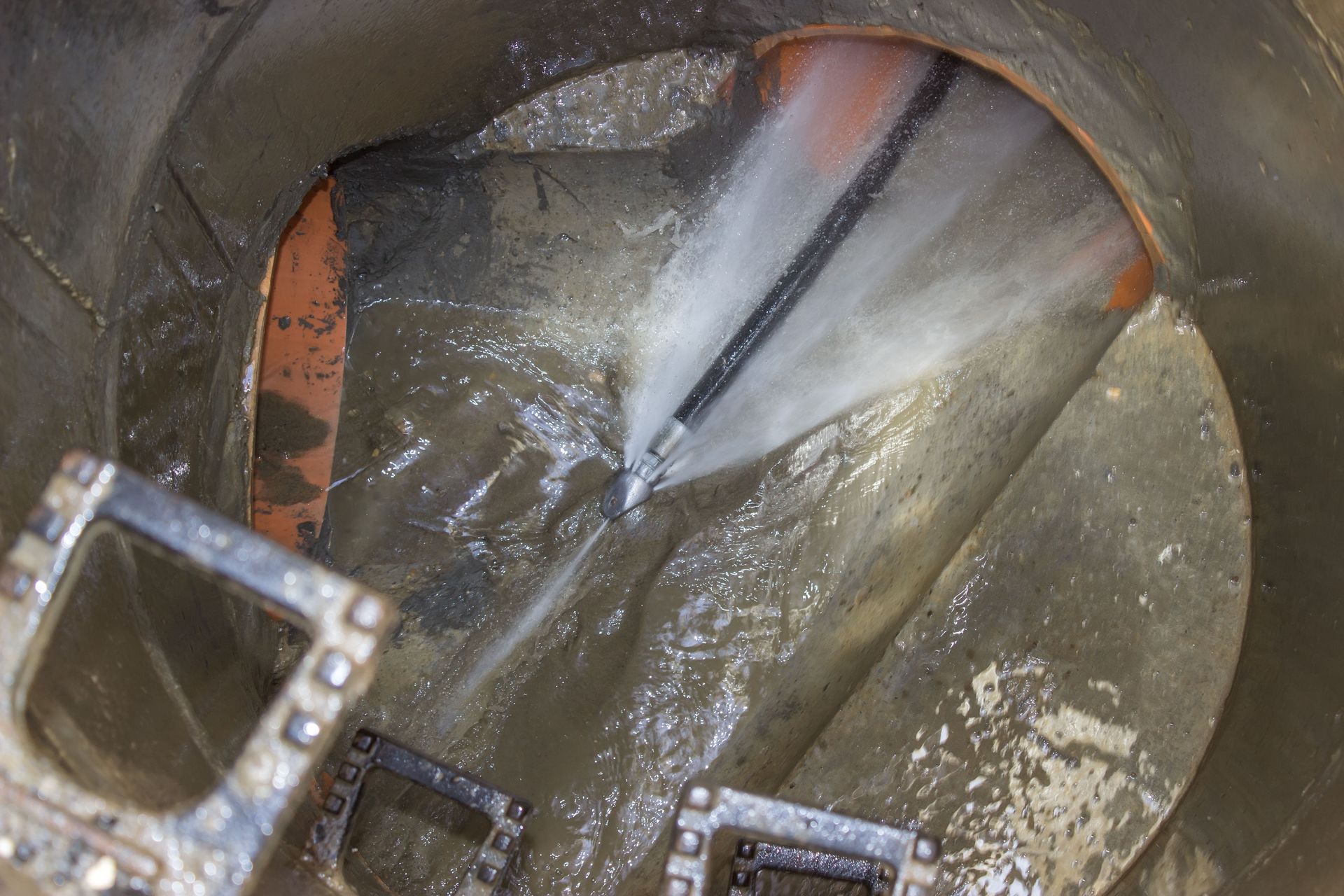
In addition to waterborne bacterial risks, neglected wastewater units produce heavy accumulations of hazardous sewer gases, including toxic hydrogen sulfide and explosive methane gas. These dangerous gaseous byproducts develop as anaerobic bacteria break down thick organic sludge layers inside poorly ventilated or overflowing holding vessels. As pressure mounts inside trapped pipes, toxic fumes back up into household living spaces, causing chronic headaches, respiratory irritation, nausea, and severe indoor air quality problems. Booking professional services for septic tank cleaning removes stagnant organic waste, eliminates hazardous gas accumulation, and protects household air quality from dangerous biological emissions.
Mitigating Expensive Property Repair Costs
Ignoring routine system maintenance inevitably leads to sudden structural failures that carry immense financial burdens for property owners. When solid matter bypasses primary treatment vessels due to excessive sludge buildup, it permanently plugs the porous soil channels inside the drainage field, making total structural replacement unavoidable. Excavating an entire failed absorption network, replacing contaminated soil, and installing new distribution piping requires heavy machinery, extensive permits, and thousands of dollars in emergency construction. Homeowners who delay routine maintenance often find that saving small amounts on service visits leads to catastrophic repair bills that severely strain household finances.
In addition to catastrophic replacement expenses, neglected wastewater systems cause severe reductions in overall real estate market value. Prospective buyers and mortgage lenders routinely demand comprehensive professional system inspections before completing property purchases, turning past maintenance neglect into a major transaction obstacle. Unresolved plumbing issues or documented system failures force sellers to offer massive price concessions or fund emergency repairs prior to closing deals. Investing in regular septic tank cleaning provides verifiable documentation of responsible property management, preserving home equity, reassuring prospective buyers, and ensuring smooth real estate transactions.
Ensuring Complete Local Regulatory Compliance
Municipal health departments and environmental protection agencies enforce strict legal regulations governing the operation and maintenance of private wastewater disposal systems. Local health codes require homeowners to maintain their waste treatment equipment in fully functional condition to prevent public nuisance hazards and groundwater contamination. Municipal inspectors actively issue official citations, mandatory repair orders, and severe monetary fines to property owners who allow sewage to pool on surface ground or contaminate public waterways. Staying informed about local regulations and adhering to mandatory inspection schedules ensures full legal compliance and prevents stressful municipal enforcement actions.
Homeowners can also face major civil liabilities if a failing wastewater unit causes verified off-site pollution, damages adjacent properties, or contaminates neighboring drinking wells. Environmental laws explicitly hold property owners legally responsible for all cleanup costs, legal fees, and ecological remediation expenses resulting from preventable system leaks. Demonstrating active, documented upkeep protects property owners from costly legal disputes and civil damages. Partnering with certified specialists for routine septic tank cleaning satisfies all local environmental regulations, eliminates legal liability risks, and guarantees that household infrastructure operates safely within established municipal guidelines.
Maintaining residential wastewater infrastructure requires consistent attention and proactive management to avoid severe environmental, health, financial, and regulatory consequences. Regular upkeep offers a practical and highly economical strategy for extending the functional lifespan of underground treatment equipment while preserving household property value. By establishing a reliable maintenance routine, property owners actively protect their living environment, safeguard regional water resources, and prevent unexpected structural emergencies. Taking simple, timely steps to manage underground processing units ensures that domestic plumbing operates efficiently and reliably without placing undue stress on family finances or surrounding natural ecosystems.
Securing long-term plumbing performance requires professional expertise, detailed inspections, and regular maintenance performed by experienced technicians. Homeowners must prioritize preventative care to keep their treatment systems functioning in peak condition and protect their properties against costly failures. Partnering with qualified specialists ensures that underground holding units receive thorough evaluation and proper waste extraction according to local environmental standards. Contact John Holm & Son Septic Services today to schedule your next
septic tank cleaning and ensure your home remains safe, efficient, and fully compliant with all regional health standards for years to come.