November 3, 2026
Most homeowners don't think much about their septic tank until something goes wrong. It sits quietly underground, handling every flush, shower, and load of laundry without complaint. But inside that tank, a slow and steady process is taking place every single day, and understanding it can help you protect your home and avoid messy surprises.
Knowing what's happening below the surface makes it easier to see why routine maintenance matters so much. Below, we'll explain how waste separates inside your tank, what sludge and scum really are, and how our septic pumping service keeps everything working the way it should between visits.
Understanding How Your Septic Tank Works
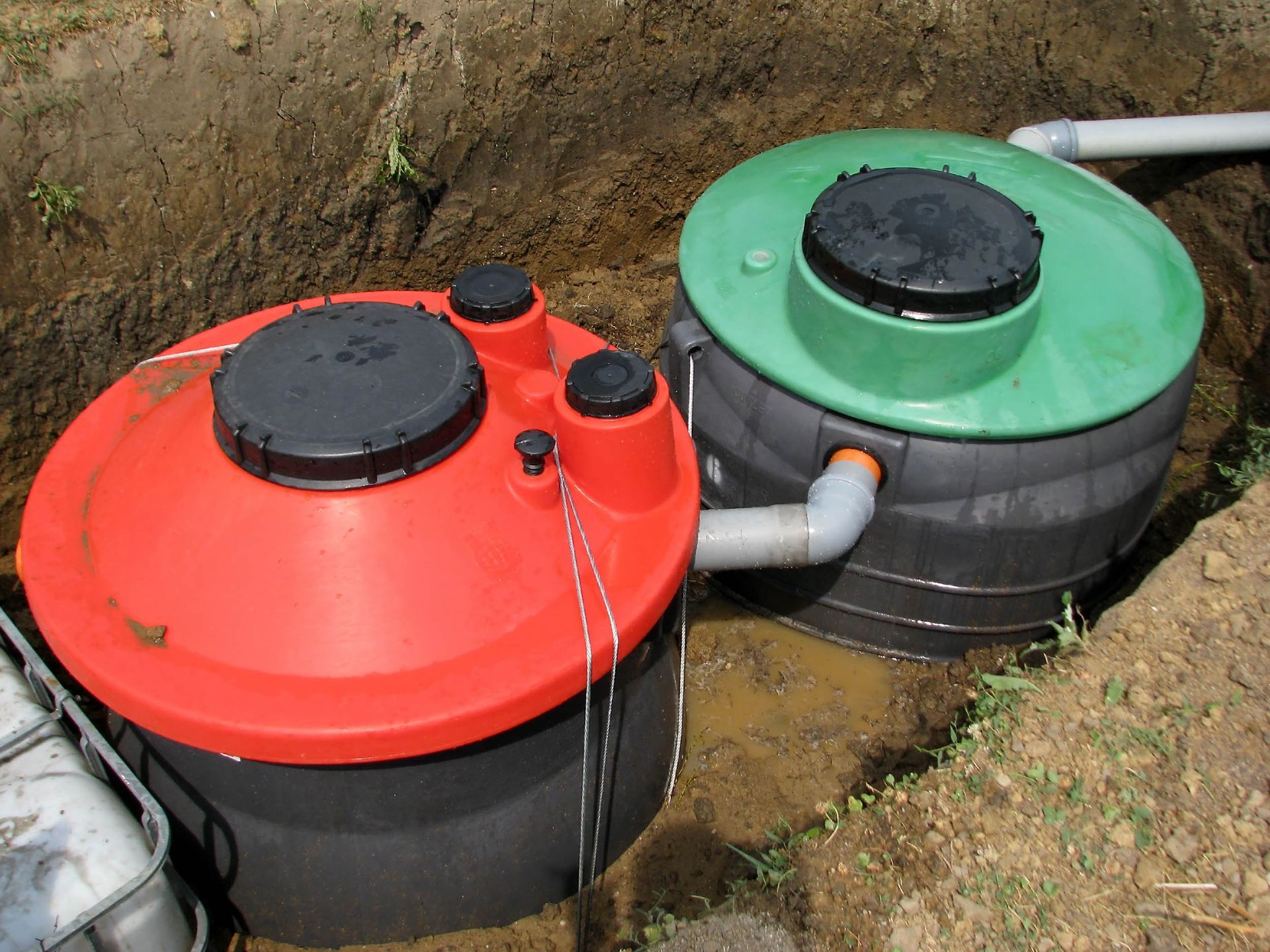
A septic tank is a watertight container that collects all the wastewater leaving your home. Everything that goes down your drains, from the kitchen sink to the toilets, flows through a main line and into the tank. Once it's inside, the wastewater slows down and sits long enough for solids and liquids to separate.
Natural bacteria in the tank go to work breaking down organic material. Some of that waste turns into liquid, while the rest settles or floats. The partially treated liquid then flows out of the tank and into the drain field, where the soil filters it further. It's a simple system, but it depends on the tank having enough room to do its job.
Breaking Down the Three Layers Inside the Tank
Over time, the contents of your tank naturally separate into three distinct layers. Heavy solids sink to the bottom and form the sludge layer. Lighter materials, like grease, oils, and soap residue, float to the top and form the scum layer. In between is the effluent, which is the mostly clear liquid that flows out to the drain field.
This separation is what allows your system to work. When the layers stay balanced, solids remain in the tank while liquid moves on for treatment. Problems start when the sludge and scum layers grow so thick that there's no longer enough space for the effluent to separate properly.
Watching the Sludge Layer Build Up
Bacteria can break down a lot of waste, but they can't break down everything. Materials like food particles, paper fibers, and other solids slowly pile up on the bottom of the tank. Day by day, the sludge layer gets a little deeper, taking up more and more of the tank's capacity.
As sludge builds, the liquid has less time to settle before it leaves the tank. That means more solids may be carried out toward the drain field. Left alone, a thick sludge layer can eventually lead to slow drains, odors, and backups inside your home. Regular septic pumping removes this buildup before it reaches that point.
Keeping an Eye on the Scum Layer
The scum layer may not seem as serious as sludge, but it can cause just as many problems. Fats, oils, and grease from cooking, along with soap and other floating debris, collect at the top of the tank. Over time, this layer can harden into a thick mat that's tough for bacteria to break down.
If the scum layer grows too deep, it can reach the tank's outlet and allow grease and floating solids to escape into the drain field. It can also block the inlet, causing wastewater to back up into your plumbing. Being careful about what goes down your kitchen sink can help slow this buildup, but it won't stop it completely.
Protecting the Effluent Flow to Your Drain Field
The effluent layer is the part of the tank that's supposed to leave. When the sludge and scum layers are in check, the liquid that flows out is relatively free of solids, and the drain field can absorb and filter it without trouble. That balance is what keeps your whole system running smoothly.
When too many solids escape, they can clog the pipes and soil in the drain field. A clogged drain field may cause soggy spots in the yard, sewage odors outdoors, or slow drains throughout the house. Repairs at this stage can be disruptive, which is why protecting the drain field starts with managing what happens inside the tank.
Tracking Sludge and Scum Levels Over Time
Since you can't see inside your tank, it's hard to know how quickly the layers are building up. According to Forbes, homeowners should have their tank inspected every three years to check sludge and scum levels. Keeping track of those levels gives you a clear picture of how your system is performing and when it's due for service.
Every household fills its tank at a different rate. The size of your tank, the number of people in your home, and your daily water use all play a role. Larger families or homes with frequent guests may need service more often. Keeping records of each visit helps you spot patterns and plan ahead rather than waiting for a problem.
Cleaning the Septic Tank Filter
Many septic tanks have an effluent filter near the outlet. This filter acts as a final barrier, catching small solids before the liquid flows out to the drain field. It's an important part of protecting your system, but it can clog over time as it does its job.
A clogged filter can slow the flow of wastewater and cause water to back up into your home. Having the filter cleaned during routine service helps keep everything moving freely. We offer septic tank filter cleaning along with our septic pumping visits, so your system stays protected from end to end.
Slowing Down Solids Buildup Between Visits
While you can't stop sludge and scum from forming, a few simple habits can help slow the process. Avoid pouring grease down the drain, and scrape food scraps into the trash instead of the sink. Flush only toilet paper, and keep wipes, paper towels, and feminine products out of the toilet, even if they're labeled flushable.
Spreading out laundry loads and fixing leaky fixtures can also help, since too much water at once can push solids out of the tank before they settle. Using garbage disposals sparingly makes a difference too. These small changes help your tank work more efficiently and may extend the time between service visits.
Removing Solids With Professional Pumping
Even with good habits, solids will keep collecting until they're physically removed. Bacteria and additives can't fully clear out a tank, and no amount of careful use can replace professional service. The only way to reset the system is to pump out the accumulated sludge and scum.
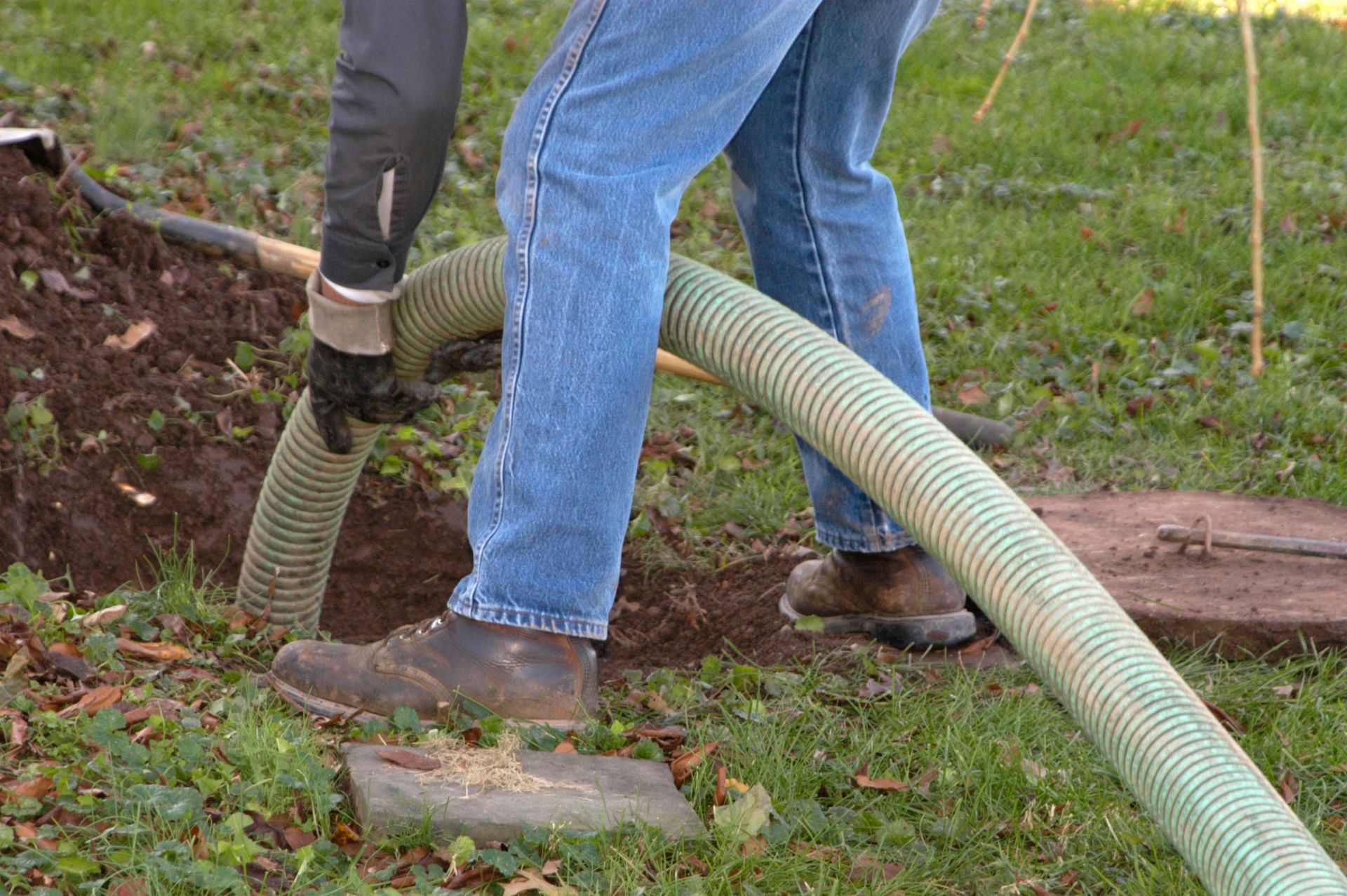
During septic pumping, our licensed technicians use specialized equipment to remove the waste and restore your tank's full capacity. Once it's emptied, the separation process can start fresh, giving the effluent more room to settle and helping protect your drain field. Scheduling service on a regular basis keeps your system healthy and helps you avoid unexpected emergencies.
At John Holm & Son Septic Services, we're a family-owned and operated company that's been caring for septic systems since 1938. We serve homeowners throughout Middlesex, Mercer, Monmouth, Ocean, Somerset, and Burlington Counties with licensed, insured technicians and a commitment to excellent customer service. From septic tank cleaning and filter cleaning to cesspool cleaning and 24-hour emergency service, our septic pumping team is here to keep your system running smoothly. Contact John Holm & Son Septic Services today to schedule your
septic pumping appointment and request a free quote.