November 18, 2026
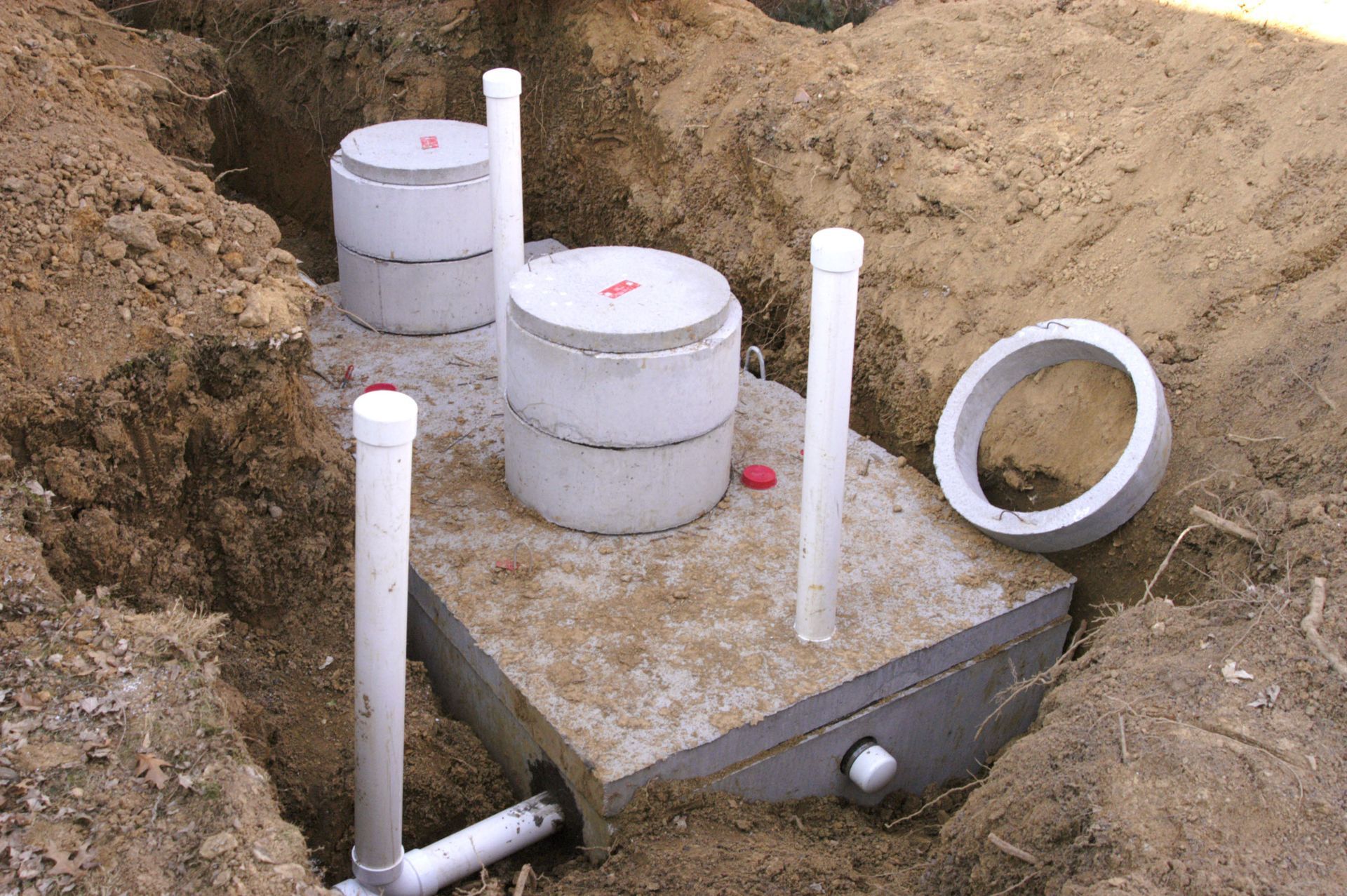
Managing a private onsite wastewater management system requires continuous property vigilance, responsible domestic water habits, and disciplined technical stewardship. For rural and suburban households situated beyond the boundaries of municipal sewer grids, an underground septic tank serves as an indispensable utility asset operating silently beneath exterior turf. While interior plumbing fixtures direct greywater out of sight, subterranean treatment chambers dictate long-term sanitary safety and environmental health. Inside a septic tank, heavy solids settle into dense sludge, greases form a buoyant scum layer, and anaerobic bacteria break down biological contaminants within the liquid zone. However, biological digestion cannot break down non-biodegradable particles, inert silt, and dense mineral residues, which gradually accumulate over operational cycles and displace functional liquid storage capacity. According to EPA, an estimated 10% to 20% of septic systems fail during their operational lifetime. This sobering failure rate illustrates the severe ecological and financial risks associated with deferred maintenance, uncertified pumping contractors, and neglected tank cleanouts. Sourcing an experienced wastewater management contractor ensures that accumulated sludge and scum layers are evacuated completely before solid matter escapes into sensitive drainfield soils. Navigating the wastewater service marketplace demands careful evaluation of technician licensing, diagnostic equipment capabilities, environmental waste disposal compliance, and honest fee structures.
Verifying Regional Licensing Credentials and Comprehensive Insurance Coverage
The initial priority when vetting prospective wastewater management providers is confirming full regulatory compliance, valid municipal licensing, and comprehensive liability insurance coverage. Operating vacuum evacuation machinery, transporting biological sewage, and handling subterranean plumbing connections involve significant public health and property risks. Unlicensed operators lacking verified training frequently cut corners, disregard municipal waste handling statutes, or employ improper pumping methodologies that compromise underground structural components. Retaining a certified septic pumping service guarantees that technicians hold current state environmental health permits, commercial driver wastewater certifications, and proper operating credentials. Furthermore, reputable contractors maintain robust general liability insurance paired with comprehensive workers' compensation policies, protecting homeowners from financial liability should an on-site mishap, equipment collapse, or employee injury occur. Verifying insurance coverage and licensing shields property owners from unscrupulous contractors who disappear when problems arise. Dedicated wastewater professionals display their credentials transparently, adhere to stringent environmental sanitation codes, and uphold unyielding safety standards on every residential property.
Evaluating Diagnostic Technology and Thorough
Pumping Methodologies
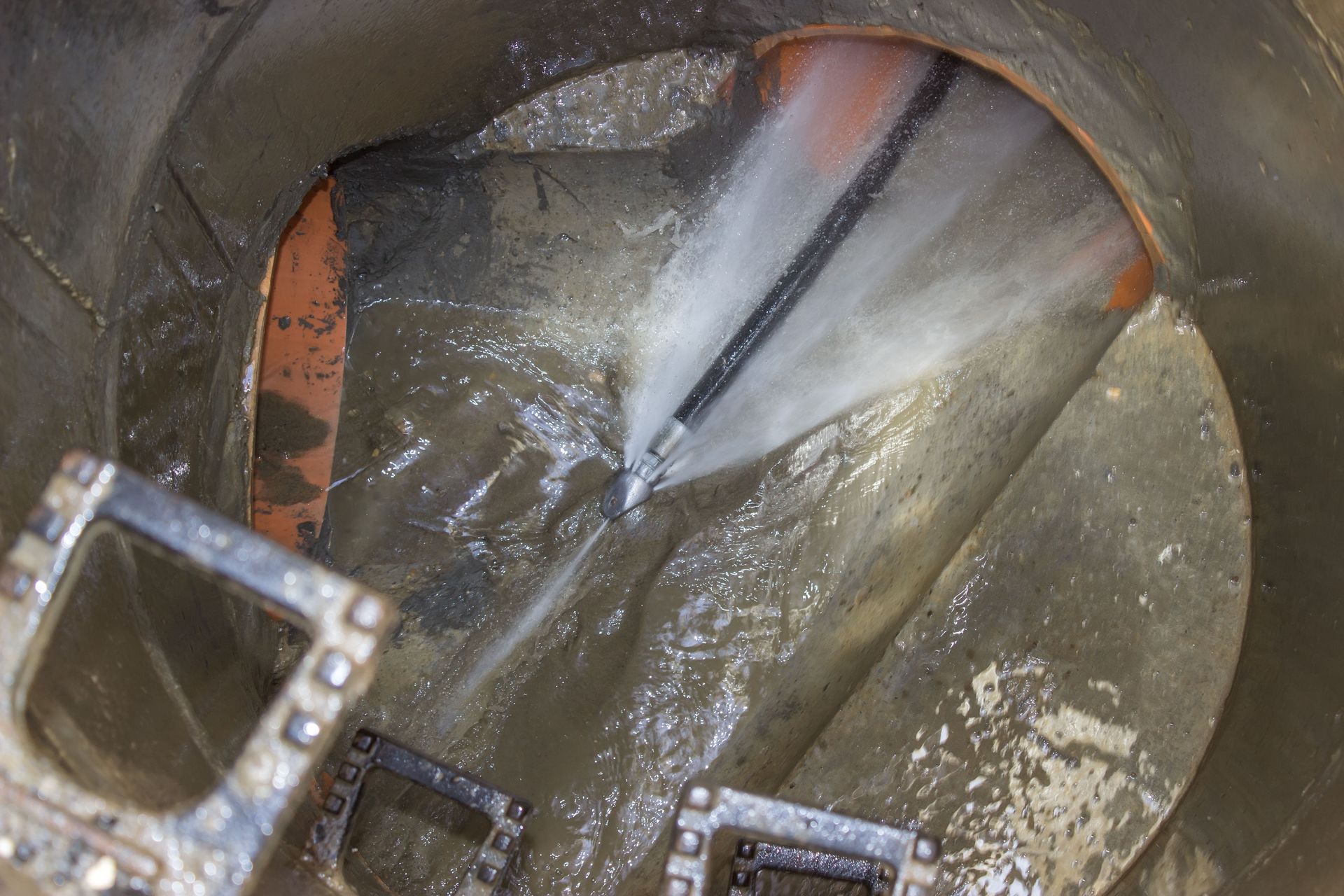
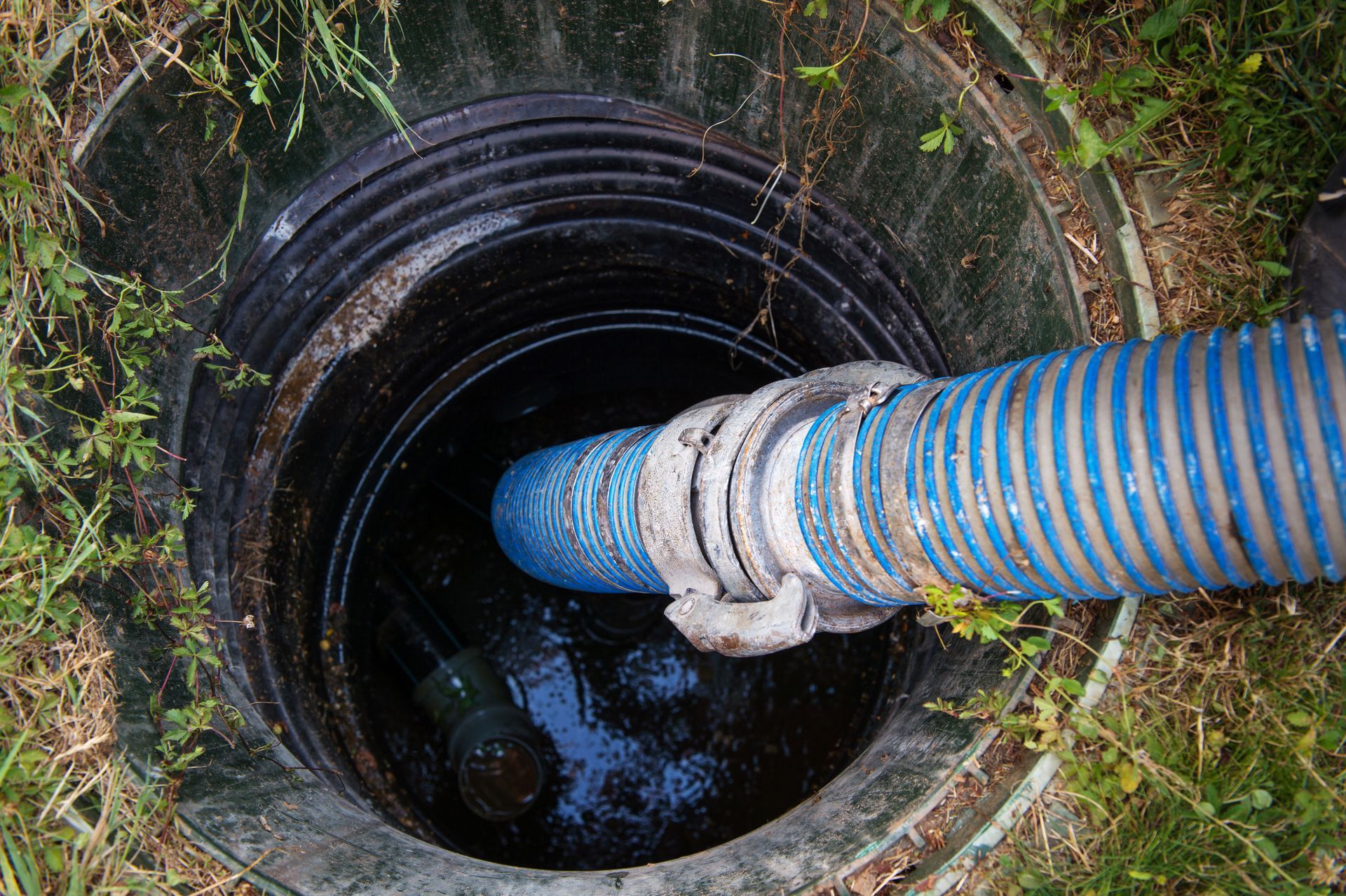
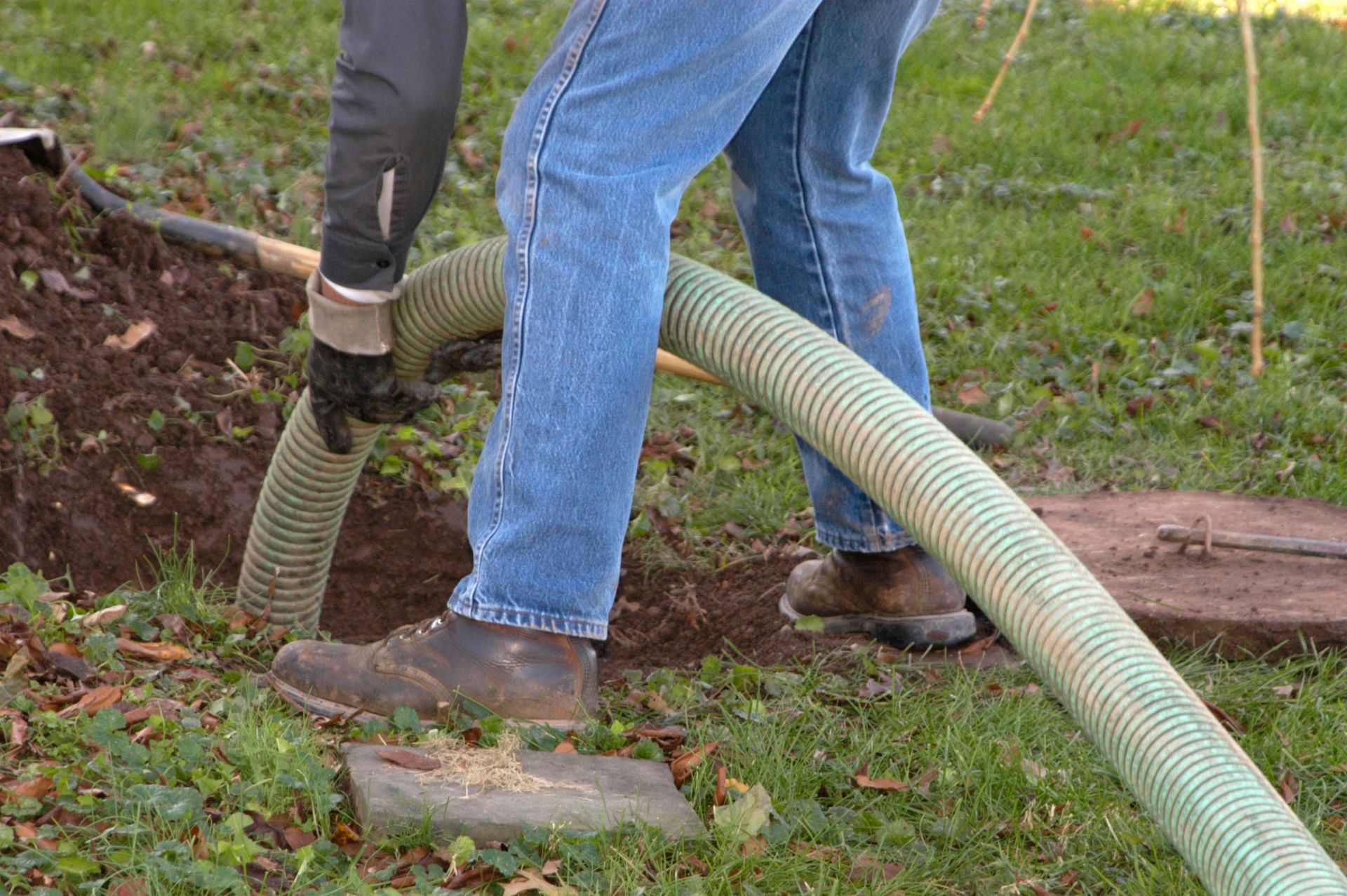
The physical process of clearing a subterranean tank involves far more than merely dropping a vacuum hose through a shallow inspection pipe and siphoning off surface wastewater. True waste evacuation requires back-flushing, crust breaking, and complete sludge removal, a comprehensive procedure known within the trade as full pumping and cleaning. Engaging an experienced septic pumping service ensures that technicians excavate primary manhole covers rather than attempting incomplete suction through narrow inspection ports. Professional technicians utilize heavy mechanical crust busters and high-pressure water agitation jets to liquefy hardened scum mats, allowing powerful commercial vacuum trucks to draw all solids from the tank chamber floor. Moreover, certified specialists perform visual structural inspections of internal concrete baffles, partition walls, and effluent filter cartridges, identifying hairline concrete fissures or failing sanitary tees before structural collapses develop. Thorough excavation craftsmanship paired with diagnostic inspection ensures that tanks regain full operating capacity and perform reliably.
Understanding Transparent Pricing Structures and Avoiding Surprise Charges
Navigating service estimates within the septic maintenance industry demands vigilance against predatory pricing models, hidden service surcharges, and deceptive low-cost marketing solicitations. Disreputable pumping operations often advertise artificially low flat-rate prices to gain access to residential properties, only to inflate final invoices with unexpected line items for basic tasks. Sourcing an honest septic pumping service guarantees transparent, written quotes detailing every potential fee before service begins. Homeowners should inquire whether quoted rates encompass primary manhole excavation, depth-of-cover digging, back-flushing labor, wastewater disposal tariffs, and mandatory municipal reporting fees. Furthermore, disreputable contractors frequently attempt to panic homeowners during routine cleanouts by falsely claiming that underlying tanks are collapsing, attempting to sell unnecessary emergency repairs or exorbitant biological additive packages. Reputable service providers explain the physical condition of tanks objectively, provide clear measurements of sludge and scum accumulation, and never deploy high-pressure sales tactics. Clear financial expectations prevent invoice shocks and foster lasting professional trust.
Examining Waste Disposal Protocols and Environmental Stewardship
A critical yet frequently overlooked aspect of wastewater contractor evaluation is verifying how collected septage is transported, processed, and lawfully discarded after leaving your driveway. Septic tank effluent contains concentrated organic pathogens, heavy nitrogen, phosphorus compounds, and household chemical traces that pose grave environmental contamination threats if handled irresponsibly. Contracting for a dedicated septic pumping service guarantees that all evacuated waste is handled in strict accordance with federal clean water statutes and state Department of Environmental Protection mandates. Legitimate pumping companies maintain documented disposal manifests from licensed municipal wastewater treatment plants, authorized regional septage composting facilities, or approved agricultural land application sites. Conversely, fly-by-night operators may engage in illegal midnight dumping across remote rural fields, roadside ditches, or storm drainage basins to avoid municipal disposal fees, exposing unsuspecting property owners to environmental investigations and steep legal liabilities.
Assessing Customer Reputation and Verified Neighborhood Testimonials
Gauging the consistency of contractor service quality, technician punctuality, and customer support requires investigating authentic neighborhood reputations and verified third-party feedback. In the onsite wastewater industry, word-of-mouth recommendations, long-standing local operating histories, and consistent community reviews reflect professional dependability far better than high-gloss promotional advertising. Sourcing a reputable septic pumping service allows property owners to review real-world client testimonials detailing how technicians treat landscaping, whether crews arrive within scheduled arrival windows, and how companies handle unforeseen diagnostic complications. Reputable companies demonstrate a proven track record of respectful property handling, utilizing protective plywood ramps to keep heavy vacuum trucks off delicate lawn turf and carefully replacing sod over excavated access covers. Furthermore, established contractors maintain courteous customer support representatives who answer urgent inquiries promptly, track historical maintenance records across service cycles, and send timely cleanout reminders before emergency backups occur.
Partnering With Maintenance Providers for Comprehensive System Care
Long-term septic system reliability depends on establishing a proactive relationship with service providers who offer holistic maintenance capabilities rather than isolated, reactive pumping visits. A septic system operates as an interconnected ecosystem comprising plumbing fixtures, sewer piping, mechanical effluent filters, treatment tanks, and soil absorption trenches that require coordinated care. Contracting with a versatile septic pumping service provides homeowners with comprehensive ongoing support, including electronic pipe locating, high-pressure hydro-jetting to clear stubborn sewer lines, and effluent filter cleaning during every visit. Experienced technicians guide homeowners regarding water conservation, warning against flushing antibacterial wipes, chemical drain cleaners, grease, or debris into plumbing fixtures. Furthermore, full-service providers can diagnose subtle drainage field irregularities—such as spongy soil, sluggish absorption, or biological surfacing—recommending non-invasive soil aeration or mechanical valve repairs before catastrophic drainfield replacement becomes necessary. Establishing a lasting partnership with trusted wastewater specialists transforms unpredictable plumbing emergencies into an orderly routine that prolongs infrastructure lifespan.
At John Holm & Son Septic Services, our dedicated team brings deep wastewater expertise, state-of-the-art vacuum excavation equipment, and an unwavering commitment to craftsmanship on every residential and commercial project we manage, ensuring your system achieves immaculate tank cleaning, comprehensive structural diagnostics, and unyielding environmental protection across every service cycle. Contact us today or visit our local office to schedule your comprehensive septic evaluation and discover the lasting benefits of working with trusted wastewater professionals.