November 22, 2026
The significance of maintaining a clean sewer system cannot be overstated. Regular sewer drain cleaning is crucial for preventing unexpected and costly backups. By ensuring the proper maintenance of your sewer system, many potential problems can be avoided, leading to a safer and more efficient environment.
1. Understanding Sewer Systems and Backups
1.1 Causes of Sewer Backups
Sewer backups can be caused by several factors, often occurring when wastewater cannot adequately flow through the pipes. One of the most common causes is blockages due to debris such as grease, wipes, and other non-biodegradable materials. Another significant factor contributing to sewer backups is tree root intrusion. Roots can grow into sewer lines, causing them to crack and eventually become obstructed. Additionally, ground subsidence or flooding can lead to disruptions in the sewer system's smooth operation.
Heavy rainfall or rapid snowmelt can also overload wastewater systems, leading to backups. When the demand on the system exceeds its capacity, sewage can flow backward into homes and streets, causing significant damage. Outdated or poorly maintained infrastructure is another contributing factor to sewer backups. In such systems, the pipes are more susceptible to breakages or collapses. Regular maintenance and timely upgrades can mitigate these risks, ensuring the system's reliability.
Human error, such as improper waste disposal, exacerbates the potential for backups. Disposal of grease, oils, and food particles down the drain can quickly lead to blockages. Education and awareness about proper waste disposal methods can greatly reduce the frequency of sewer backups. Additionally, regular inspections and cleaning of sewer systems play a crucial role in preventing these incidents. By understanding and addressing the root causes, homeowners can maintain a more efficient and problem-free sewer system.
1.2 Consequences of Sewer Backups
The consequences of sewer backups extend beyond mere inconvenience; they can be financially and environmentally devastating. When sewage enters properties, it can cause extensive damage to flooring, walls, and belongings. The cost of repairing such damage is often substantial and may not be fully covered by insurance. Moreover, raw sewage exposure poses serious health risks, as it harbors dangerous pathogens and bacteria. Rapid response and cleanup are essential to mitigate these health and financial impacts.
Environmentally, sewer backups can lead to the contamination of local water bodies. Overflowing sewage can seep into storm drains and waterways, impacting aquatic ecosystems and public health. Such incidents often require costly environmental remediation and can result in fines or penalties. Frequent backups also strain municipal resources, diverting funds away from other critical infrastructure needs. Preventative maintenance of sewer systems is crucial to minimizing these environmental and financial burdens.
According to Krapf Legal, about 1 in 60 insured homes files a claim related to water or freezing damage every year. This statistic underscores the prevalence and potential severity of sewer backup incidents. Addressing the issue proactively through regular maintenance can save homeowners from unexpected expenses and ensure compliance with insurance requirements. By investing in routine maintenance, property owners can protect their assets and contribute to community-wide sustainability efforts.
1.3 Frequency and Areas Prone to Backups
Certain areas are more prone to sewer backups due to various geographic and infrastructural factors. Older neighborhoods with aging sewer infrastructures are particularly vulnerable to backups. The deterioration of materials and design inadequacies common in older systems increase the likelihood of blockages and collapses. Areas with large amounts of vegetation or mature trees may also experience more frequent backups due to root intrusion. Homeowners in these zones should take proactive measures by scheduling regular inspections and maintenance.
Urban areas with dense populations place additional stress on sewer systems, leading to more frequent backups. The increased usage from increased population density can overwhelm sewer systems, particularly during heavy rainfall or flooding events. In these areas, implementing modern technologies and infrastructure upgrades is critical to managing the increased demand. Cities must prioritize maintenance schedules and strategic upgrades to reduce the risk of backups in high-density areas.
2. Importance of Regular Sewer Drain Cleaning
2.1 Preventative Maintenance Benefits
Regular sewer drain cleaning is an essential preventative measure that keeps systems functional and reduces the risk of backups. By periodically clearing away debris, property owners can prevent major blockages that lead to costly repairs. Preventative maintenance ensures the continual flow within the system, preventing waste accumulation that could compromise its efficiency. Such maintenance routines allow for early detection of potential issues, enabling timely repairs and adjustments. Ultimately, this proactive approach leads to fewer emergencies, extending the overall lifespan of the sewer infrastructure.
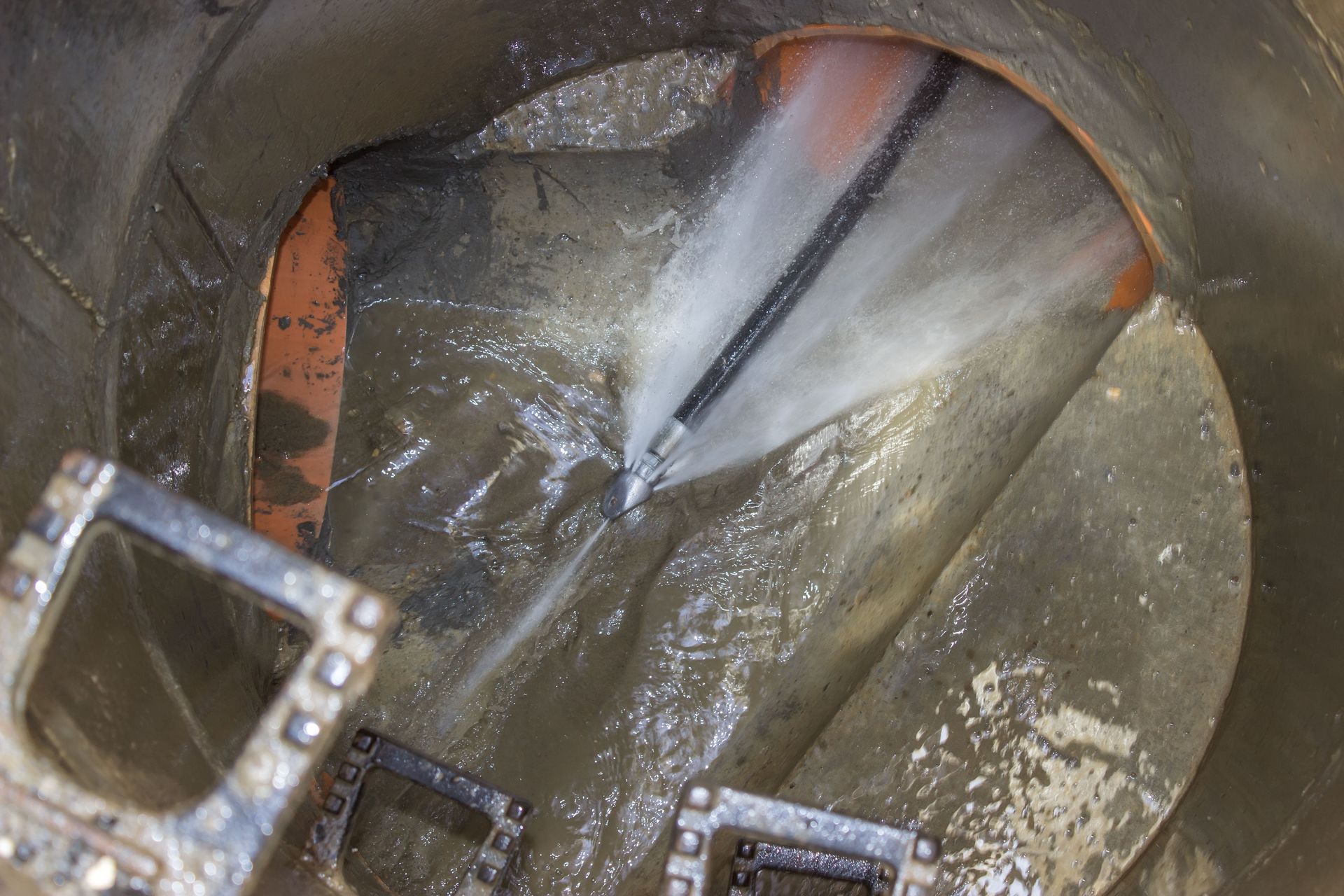
Routine drain cleaning also provides the opportunity to identify underlying issues, such as tree root intrusion or pipe degeneration. Early identification allows homeowners to address these problems before they escalate into significant backups. Professional sewer cleaning services often include video inspections, which help visualize the state of the system from within. Data gathered during these inspections informs decisions on necessary repairs or upgrades to avoid further deterioration. Regularly scheduled maintenance is a strategy that safeguards valuable infrastructure investments.
Employing regular sewer drain cleaning helps maintain optimal flow, reducing the risk of sewage overflows. Consistent cleaning ensures that harmful substances do not build up within the pipe network, thereby protecting against health hazards. Moreover, this maintenance practice supports environmental sustainability by minimizing the likelihood of untreated wastewater contamination. Community advocacy for regular sewer maintenance promotes collective public health and environmental stewardship. The routine upkeep of sewer systems is both a preventative and a protective strategy against unforeseen challenges.
2.2 Health and Safety Advantages
Maintaining a clean sewer system is not simply an environmental responsibility; it is a public health imperative. Accumulation of waste materials in pipes promotes the growth of harmful bacteria, posing serious health risks to individuals. Household sewer backups can expose occupants to dangerous pathogens such as E. coli and salmonella, which can cause severe illness. By performing regular sewer cleaning, these bacterial growths are controlled and health risks significantly minimized. Safe, clean sewer systems are critical for maintaining good public health standards both inside homes and in the community.
A properly maintained sewer system ensures safe and potable water supplies by preventing sewage contaminants from entering them. In the absence of regular drain cleaning, the risks of cross-contamination and environmental pollution grow markedly. Public spaces, parks, and waterways that become contaminated due to sewer backups can lead to widespread health crises. The health and safety advantages of clean sewer systems extend to both human populations and local wildlife. A commitment to regular maintenance ensures that communities stay healthy and environmentally safe.
The proactive maintenance of sewer systems also enhances safety by decreasing pressure within the system's pipes. When deposits are effectively removed, and pipelines free-flowing, the risk of bursts or leaks is minimized. Such incidents can lead to significant structural damage and pose safety threats to property occupants. Preventative measures conserve natural environments and protect against unnecessary harm to both humans and nature. Assuring the health and safety presented by well-maintained sewer systems is paramount to communal and individual wellbeing.
2.3 Compliance with Local Regulations
Regular sewer maintenance is often mandated by local laws and regulations, requiring adherence for compliance. Countries and municipalities set standards for system cleanliness to protect public health and the environment. Property owners and businesses failing to meet these standards may face fines, penalties, and legal action. Regular sewer drain cleaning ensures compliance with such regulatory requirements, shielding owners from costly legal repercussions. Maintaining a thorough understanding of local codes and regulations, and aligning maintenance practices accordingly, assures protection from compliance violations.
Local authorities emphasize discharge quality to avoid environmental contamination, being vigilant about pollutants entering water systems. Regular cleaning aligns with municipal priorities of maintaining clean waterways, reducing pollution, and maintaining ecosystem health. Amidst growing interests in sustainable and environmentally conscious practices, adhering to local regulations safeguards natural resources. Compliance goes beyond individual property impacts, enhancing broader municipal sustainability objectives. Regular cleaning practices solidify a commitment to community health standards and regulatory compliance.
When neglected, sewer systems can quickly become clogged, leading to various problems. These issues not only cause inconvenience but can also result in significant financial burdens. If you're looking for high-quality
sewer drain cleaning, reach out to John Holm & Son Septic Services today!