October 21, 2026
A septic system quietly handles an essential part of everyday life. When it is properly maintained, wastewater can move through the tank and drainfield as intended, helping a household avoid preventable disruptions. Routine maintenance is especially important because septic systems work continuously, even when homeowners are not thinking about them. Regular septic pumping also gives property owners a maintenance history, making future service planning easier and more predictable.
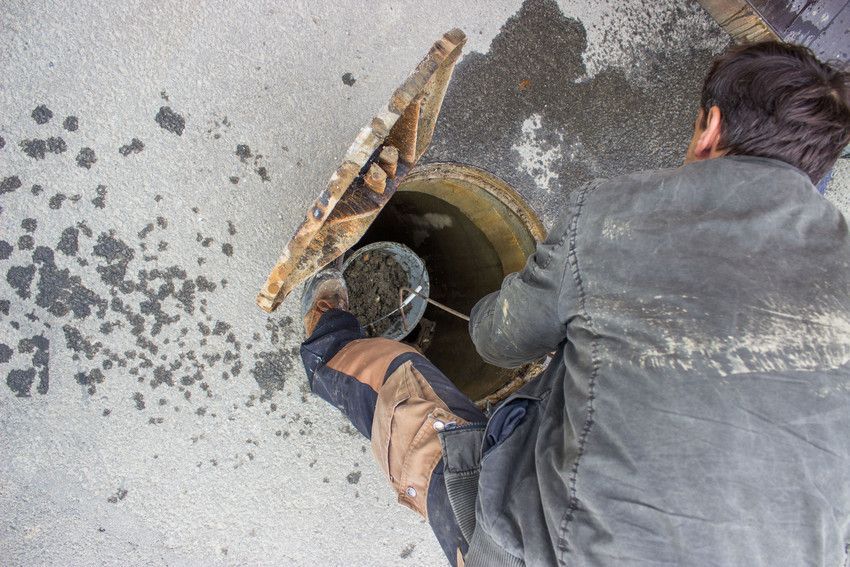
One of the most effective maintenance measures is septic pumping. Removing accumulated solids helps preserve usable tank capacity and supports the normal separation process that occurs inside the tank. Over time, sludge settles at the bottom while scum rises to the surface. If these layers become too thick, they can interfere with wastewater treatment and increase the risk of solids moving toward the drainfield.
For homeowners in areas where septic systems are common, maintenance should be treated as part of responsible property care rather than something to consider only when a problem appears. A planned approach can make it easier to monitor the system, recognize changing conditions, and schedule professional service before an urgent issue develops.
Protecting Tank Capacity and Flow
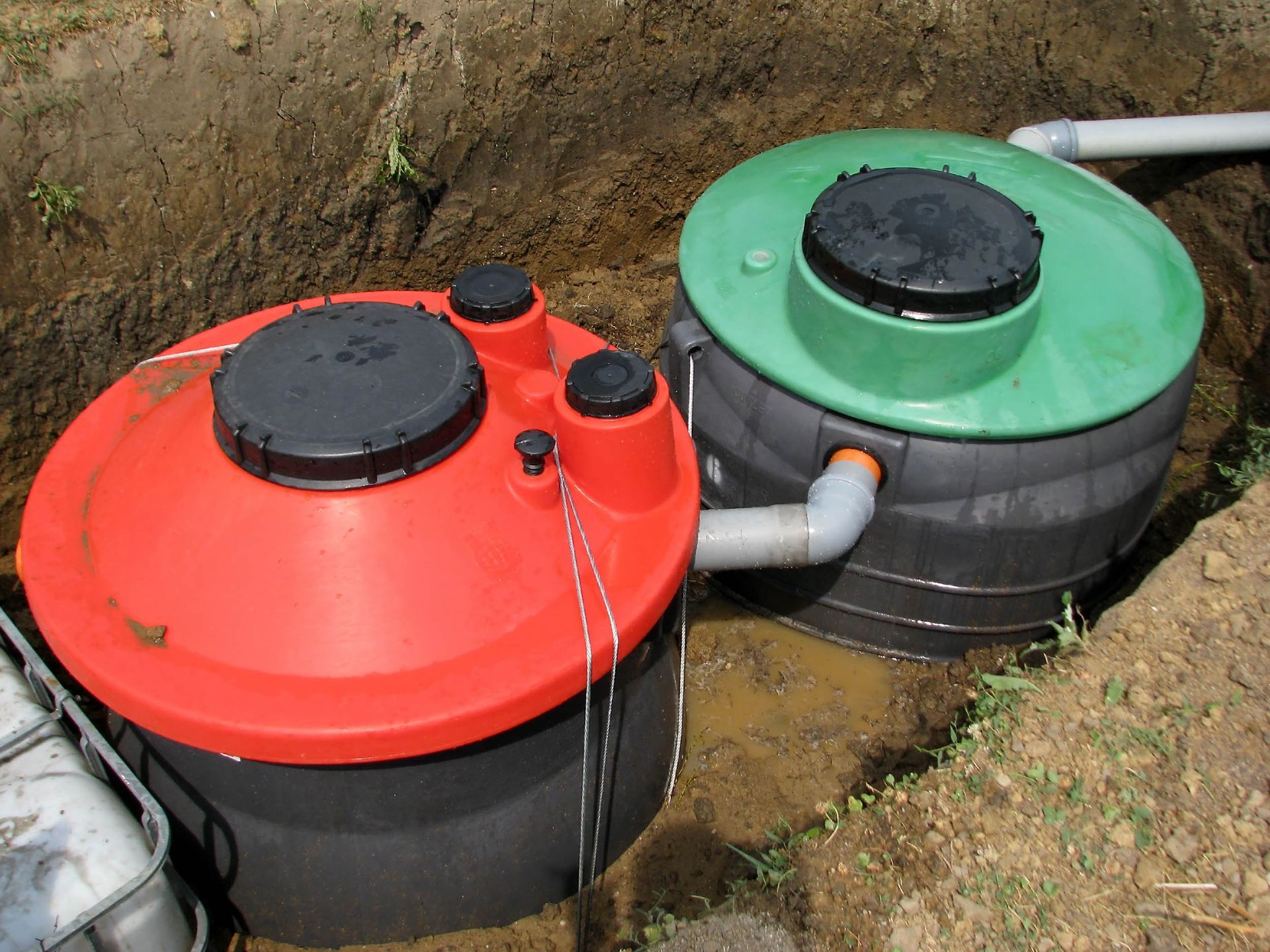
A septic tank needs enough open space for wastewater and solids to separate properly. As sludge and scum accumulate, the available space gradually decreases. When the tank becomes overly full, wastewater has less room to settle, which can affect how effectively solids remain contained.
Septic pumping helps restore tank capacity by removing accumulated material before it reaches problematic levels. Maintaining that capacity gives wastewater more room to move through the treatment process and reduces the likelihood that solids will be carried beyond the tank.
This matters because the drainfield depends on wastewater leaving the tank in a condition it can reasonably handle. Excess solids entering the drainfield can contribute to clogging and other forms of stress. Protecting the tank, therefore, supports the broader septic system, not simply one component.
Reducing Drainfield Stress
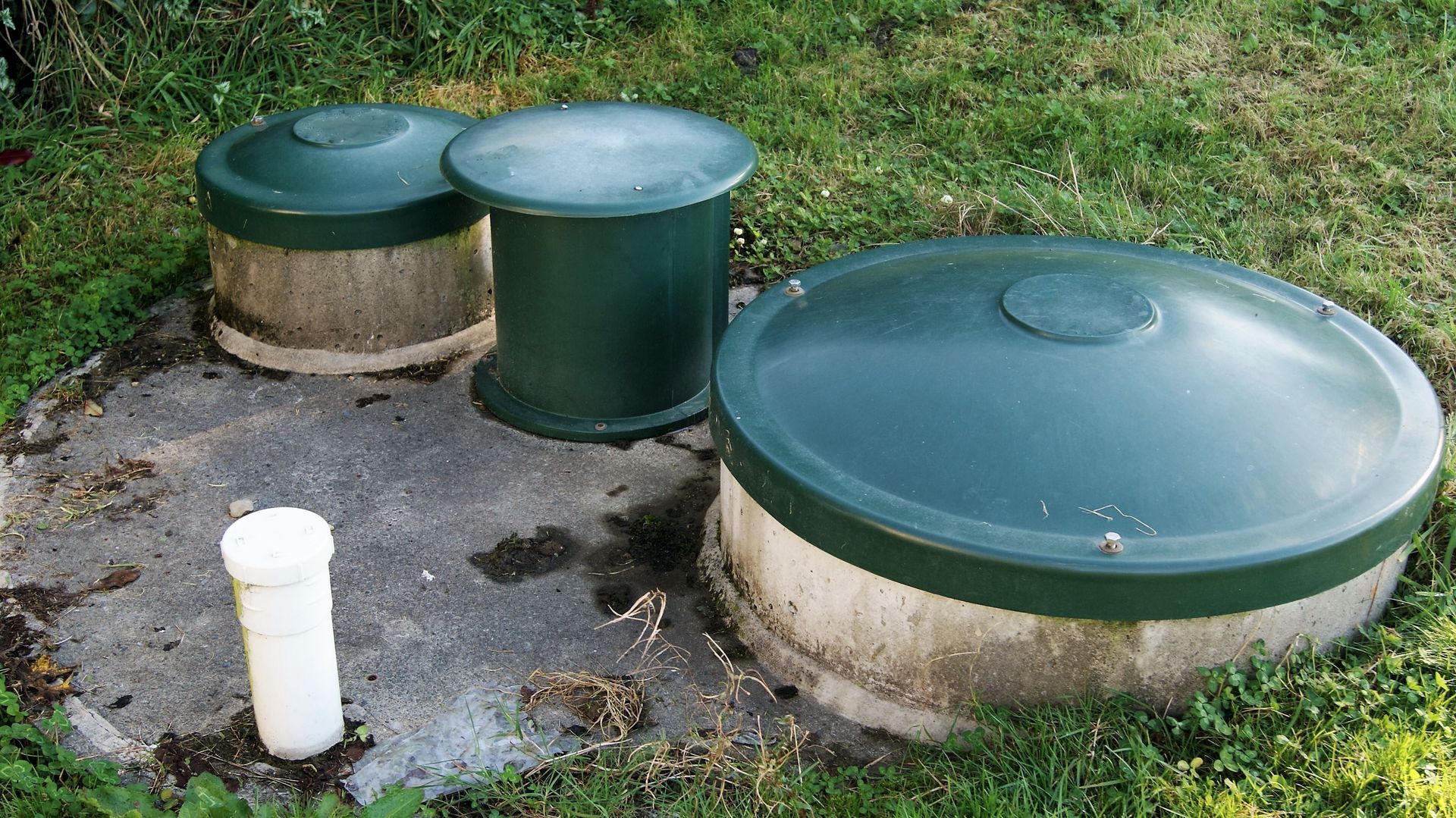
The drainfield plays an important role in the final stage of wastewater treatment. It receives effluent from the septic tank and allows it to move through the surrounding soil. Because this area is difficult and expensive to replace, protecting it is an important part of long-term system care.
Regular septic pumping can reduce the chance of excessive solids reaching the drainfield. When the tank is maintained appropriately, more of the heavier material remains contained and can be removed through professional service. This helps the drainfield continue performing its intended function without unnecessary strain.
Drainfield protection is particularly valuable because problems in this area may develop gradually. A system can appear to operate normally while conditions below the surface are changing. Consistent maintenance provides an opportunity to address accumulating solids before they become a larger concern.
Supporting More Predictable Maintenance
Septic maintenance is easier to manage when it follows a schedule rather than being based entirely on warning signs. According to Forbes, homeowners should have their septic tanks inspected every 3 years to assess the levels of sludge and scum. Inspection findings can help indicate when professional pumping is appropriate, although the right interval can vary based on household size, tank capacity, wastewater volume, and other conditions.
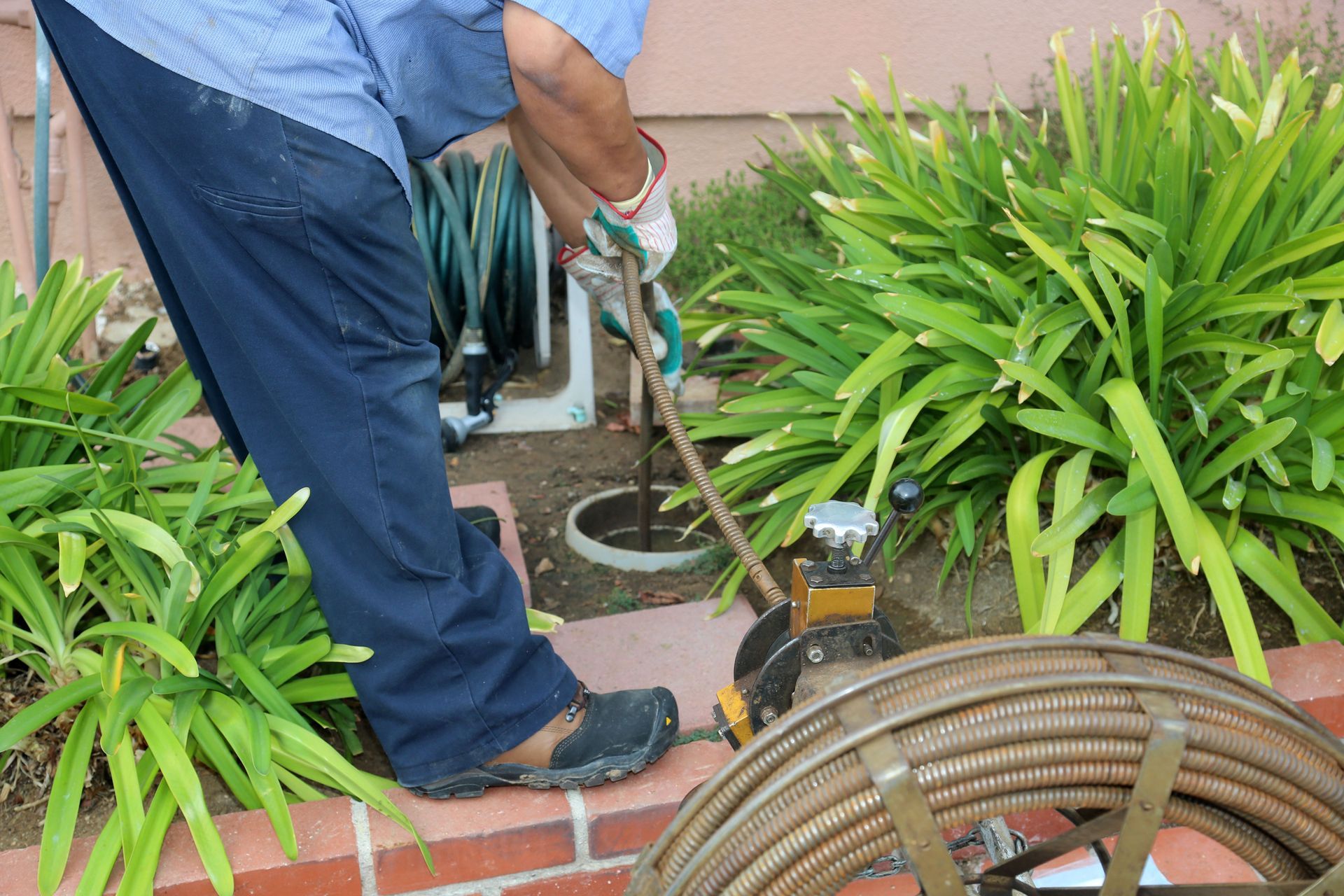
A professional assessment can also provide useful information about the system's current condition. Instead of relying on assumptions about how quickly a tank fills, homeowners can make maintenance decisions using observations from qualified service professionals.
Seasonal changes can also make planned maintenance useful. In many communities, fall is a practical time to review household maintenance needs before winter weather arrives. Addressing routine septic care before colder conditions can help homeowners enter the winter season with fewer unresolved maintenance tasks.
Avoiding Preventable System Strain
A septic system experiences regular demands from bathing, laundry, cooking, cleaning, and other household activities. Heavy or inconsistent wastewater use can affect how quickly solids accumulate and how much work the system must perform.
Septic pumping removes material that the biological and settling processes inside the tank cannot eliminate. By keeping accumulated solids under control, maintenance can help prevent conditions that place additional stress on the tank and drainfield.
Preventive care can also reduce the likelihood of unpleasant surprises. A backup, slow drain, or wastewater odor may indicate that a septic system needs attention, but waiting for symptoms can mean that a developing issue has already progressed. Scheduling professional service based on inspection findings and system needs gives homeowners a more proactive way to protect their investment.
Preserving Long-Term System Performance
A septic system represents a significant part of a property's infrastructure. Extending its useful life is therefore about more than avoiding an inconvenient service call. Consistent maintenance can help protect the components that make the system function and may reduce the frequency of major repairs caused by neglected solids accumulation.
Septic pumping is one part of a broader maintenance strategy. Responsible use of the system, attention to changes in performance, appropriate inspections, and professional servicing all contribute to better long-term care. No maintenance practice can guarantee a particular lifespan because soil conditions, installation quality, usage patterns, age, and other factors influence system performance.
Still, routine care gives homeowners a better opportunity to identify concerns early and keep the system operating under manageable conditions. That can be especially valuable for families who depend on their septic system every day and want to plan property maintenance expenses responsibly.
Planning Service Around Household Needs
Maintenance needs are not identical from one property to another. A smaller household may generate wastewater at a different rate than a larger household, while a home with frequent guests may experience periods of higher use. Tank size and system design also influence maintenance requirements.
Professional service helps account for these differences. Rather than treating every property according to one fixed schedule, a qualified septic provider can consider available information about the tank, household usage, and prior service history. This individualized approach can make routine care more practical and predictable.
Homeowners can also keep records of inspections and service dates. Having that information available can help establish a maintenance history and make future conversations with a septic professional more productive. It can also help new homeowners understand when previous service occurred after a property changes hands.
Strengthening Seasonal Preparedness
As fall progresses and winter approaches, property owners often focus on heating systems, gutters, plumbing, and other household maintenance. Septic care deserves a place in that seasonal planning, particularly for homes that rely on septic systems throughout the year.
Cold weather does not eliminate the need for wastewater treatment. A well-maintained system continues to serve the household through changing conditions, while neglected accumulation remains a concern regardless of the season. Scheduling maintenance at an appropriate time can help homeowners avoid letting routine needs become urgent problems.
For properties in rural and suburban areas, reliable septic service is an important part of maintaining a comfortable home. Professional care can help homeowners stay ahead of maintenance needs while supporting the continued function of the tank and drainfield.
A septic system is designed to provide long-term wastewater management, but its performance depends on appropriate maintenance. Keeping accumulated solids under control, protecting the drainfield, monitoring system condition, and planning professional service can all support dependable operation. Septic pumping should be viewed as an important part of that ongoing approach rather than an emergency response reserved for an obvious backup.
For homeowners who want dependable support with routine septic maintenance, John Holm & Son Septic Services can provide professional assistance suited to the needs of the property. Contact the team today to schedule service and take a proactive step toward maintaining your septic system for years to come.