October 8, 2026
A scheduled septic service visit is easier when the technician can reach the system quickly, and you have useful information ready. A little preparation can reduce delays, make it easier to discuss concerns, and help the technician understand how the system has been performing since its last service.
John Holm & Son Septic Services provides septic tank pumping, cleaning, inspections, and related septic and sewer services throughout Middlesex County and surrounding New Jersey communities. Whether this is your first appointment or part of an established maintenance routine, knowing what to do beforehand can help the visit go more smoothly.
Before your septic tank cleaning appointment, focus on locating the system, providing safe access, gathering service records, and noting any changes you have observed around the property.
Confirm the Location and History of Your Septic System
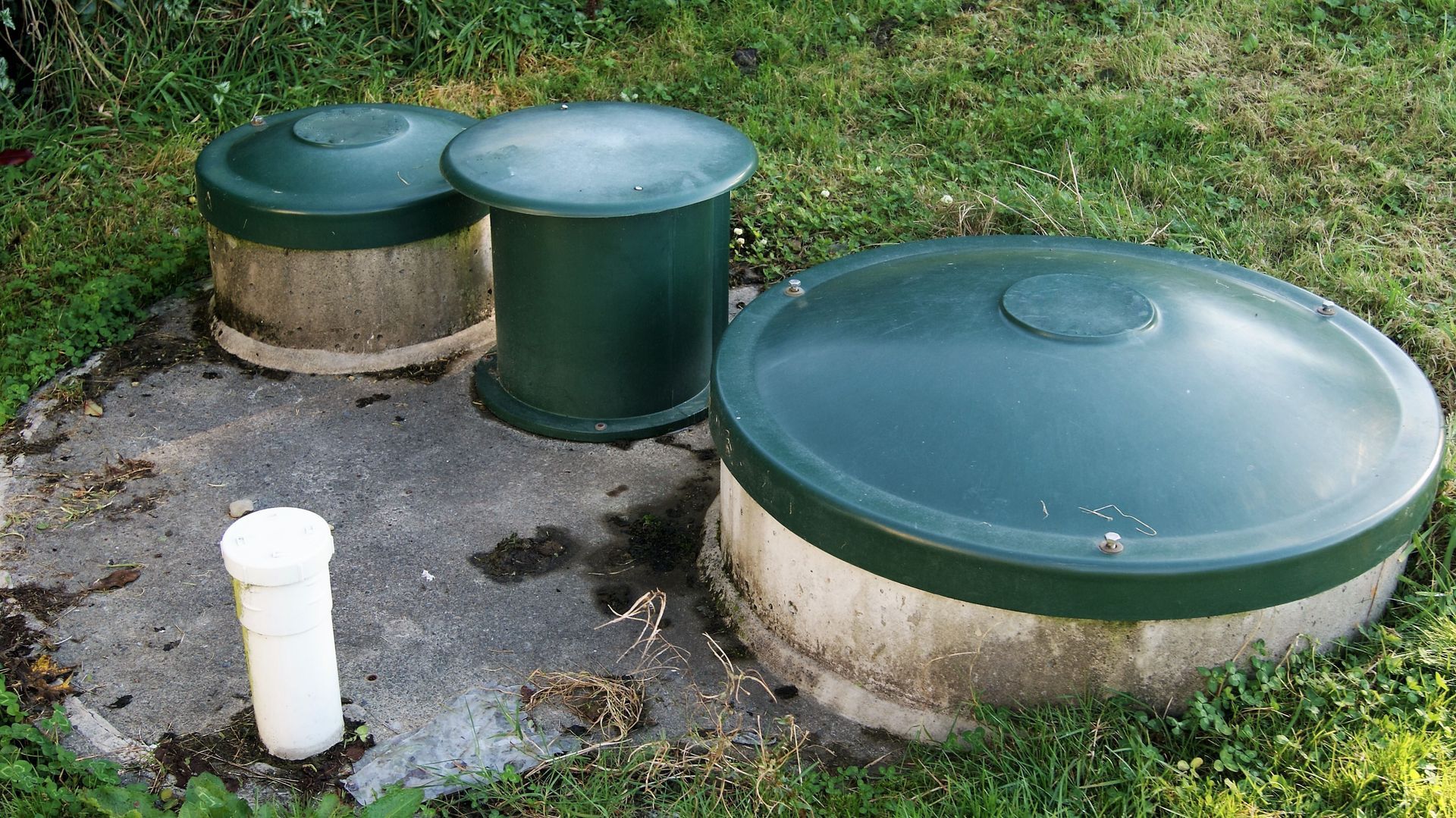
One of the most useful things you can do before the appointment is determine where the septic tank is located. If you already know its location, make sure you can clearly describe it to the technician. If you are unsure, property records, previous service invoices, or septic documents may provide helpful information.
Avoid opening the tank or attempting to access buried components yourself. Septic tanks and their openings can present serious safety hazards. If the exact location is uncertain, tell the service provider before the appointment so the technician can explain what may be needed.
Gather Previous Maintenance Information
If you have records from earlier visits, keep them available. Previous pumping dates, repairs, inspections, and system changes can give the technician useful background.
- The approximate date of the last service
- Previous inspection reports
- Tank size, if known
- Records of repairs or replaced components
- Notes from previous technicians
This is especially helpful if you recently purchased the property. Keeping an organized service history can also make future septic tank cleaning appointments easier to plan.
Clear a Safe Path to the Service Area
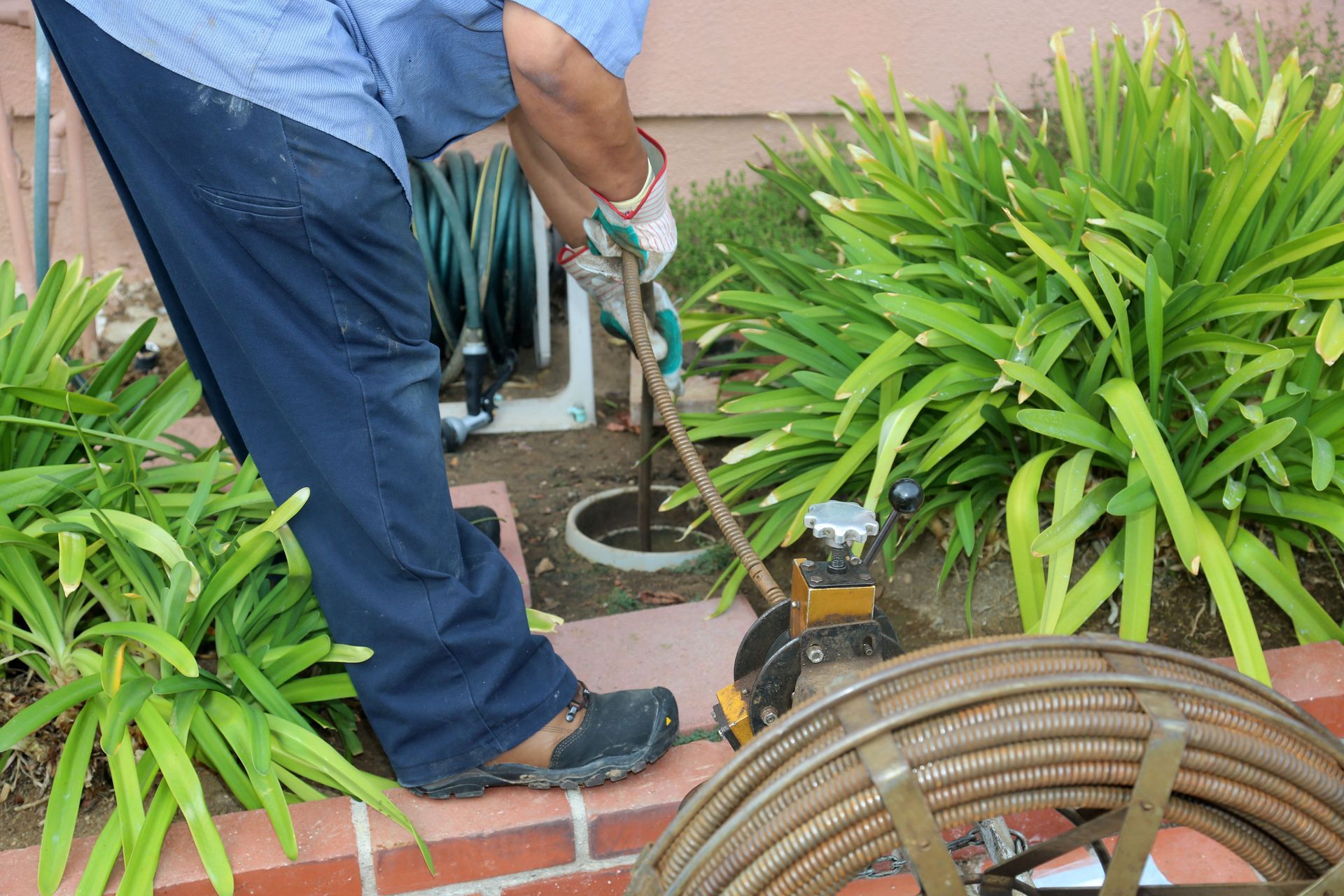
The service crew will need room to reach the tank with appropriate equipment. Before the appointment, look at the route between the driveway or access point and the septic area. Move portable furniture, toys, hoses, or other items that could make access difficult.
If gates provide access, make sure they can be opened when the crew arrives. Vehicles should also be moved if they block the route the technician may need to use.
Leave Tank Access to the Professionals
Do not dig around the tank, remove secured covers, or enter any septic component unless the company has specifically provided safe preparation instructions. The goal is to provide reasonable access to the area, not to perform part of the service yourself.
Also consider:
- Keeping children away from the work area
- Keeping pets indoors or securely separated
- Unlocking necessary gates
- Moving vehicles away from the access route
- Pointing out landscaping or property features near the system
Good access helps the septic tank cleaning crew concentrate on the system rather than spending extra time working around avoidable obstacles.
Write Down Any Changes You Have Noticed
A routine appointment is a good opportunity to discuss changes in the way the septic system has been functioning. You do not need to diagnose the cause yourself. Simply explaining what you have noticed can give the technician useful information.
Pay attention to symptoms such as unusually slow drains, persistent odors, recurring backups, or changes around the septic area. If a problem only happens occasionally, write down approximately when it started and how often it occurs.
Describe Symptoms Clearly
Instead of guessing what a symptom means, describe what happened. For example, explain that several fixtures have recently drained more slowly rather than assuming the tank is full.
- Which fixtures are affected
- When the problem began
- Whether it is constant or occasional
- Whether backups have occurred
- Any unusual odors
- Recent construction or landscaping near the system
Sharing these details can help the technician determine whether additional evaluation may be appropriate.
Understand What the Service Is Accomplishing
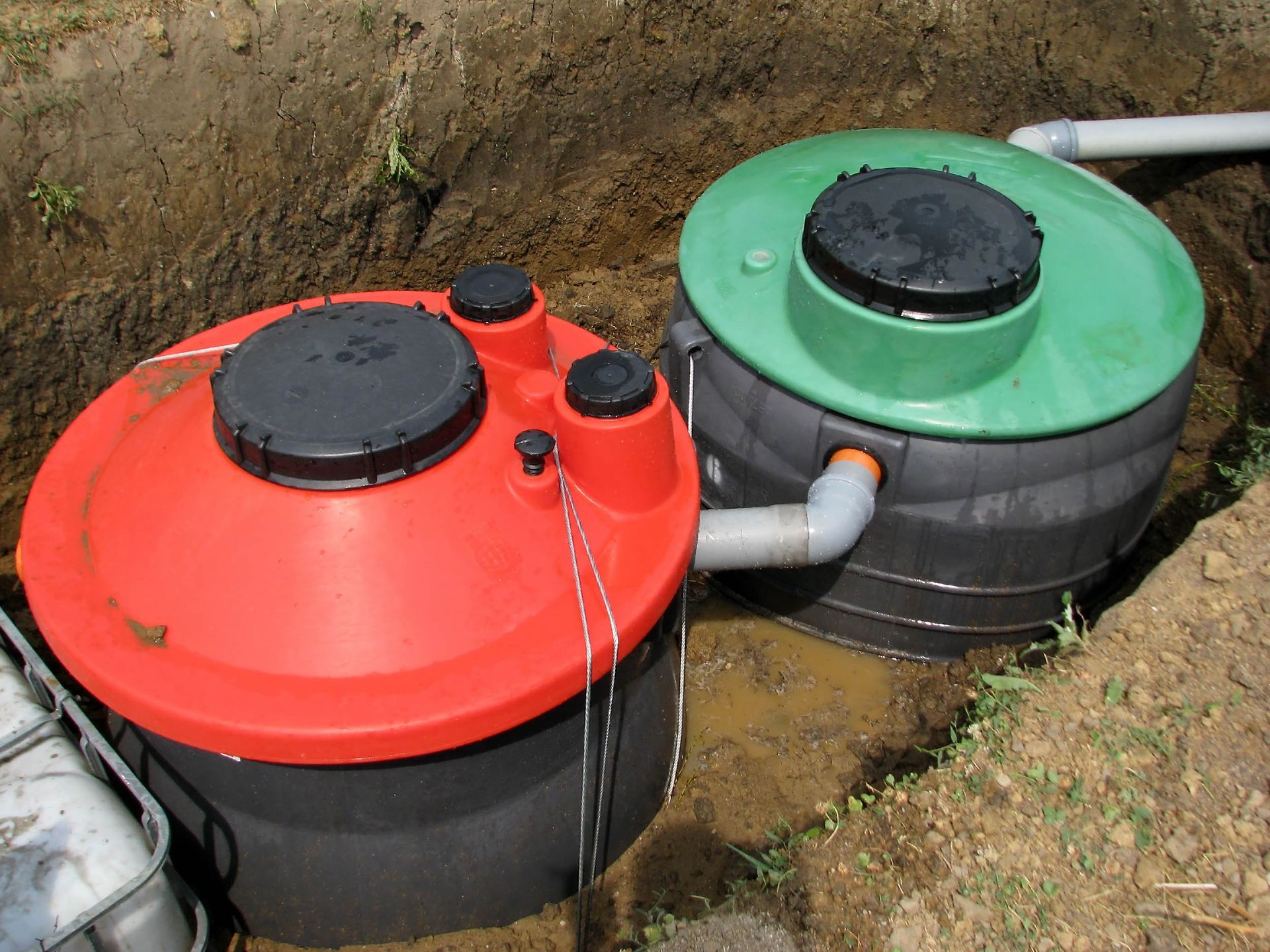
A septic tank receives wastewater from the home and separates materials before liquid effluent moves on for additional treatment and dispersal. Over time, solids accumulate in the tank and need to be professionally removed.
According to ScienceDirect, a septic tank partially treats household wastewater by eliminating approximately 50% of organic matter and suspended solids. This helps illustrate why the tank is only one stage of an onsite wastewater system and why accumulated material must be addressed through appropriate maintenance.
Ask What Will Happen During the Appointment
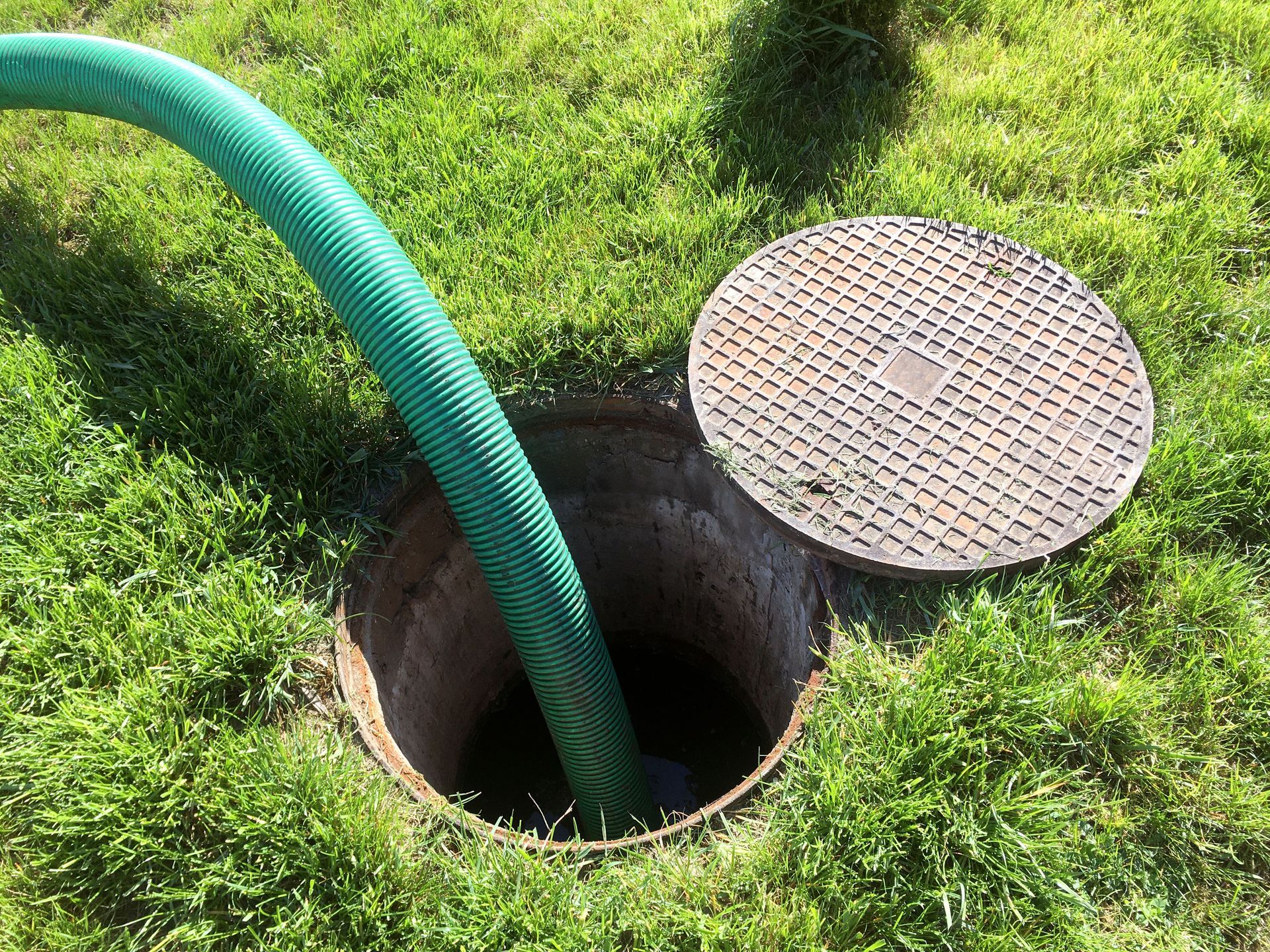
If you have never scheduled septic tank cleaning before, ask what the visit will involve. The exact process may depend on the tank, its accessibility, and the condition of the system.
John Holm & Son Septic Services provides septic tank pumping and cleaning, inspections, filter cleaning, sludge removal, and other related services when appropriate.
Questions you may want to ask include:
- What work is included in the scheduled service?
- Will any components be inspected?
- Should someone be home during the visit?
- Will the technician provide recommendations afterward?
Understanding the scope before work begins makes it easier to know what to expect.
Make the Property Ready on the Day of Service
On the day of the appointment, make sure the technician can access the property at the scheduled time. If you cannot be home, confirm any necessary instructions with the company beforehand.
You generally do not need to make major changes to your normal routine unless the service provider gives specific instructions. If the system is currently backing up or showing other urgent symptoms, explain that when scheduling rather than waiting until the technician arrives.
Keep Questions Ready for the Technician
The visit is also an opportunity to learn more about your particular system. Maintenance needs can vary based on tank size, household use, system condition, and other factors, so advice specific to your property is more useful than relying only on general recommendations.
You may want to ask:
- Did you notice anything that needs attention?
- What condition is the tank in?
- Were any filters or components serviced?
- When should the system be checked again?
- Are there records I should keep?
Writing down the technician's recommendations can help you plan the next septic tank cleaning visit and remember any follow-up work.
Keep Records After the Appointment
Once the service is complete, save the invoice and any notes or inspection information you receive. Record the service date so you do not have to rely on memory later.
Property owners should also keep documentation of repairs, inspections, and system changes in the same place. An organized history makes future maintenance easier to track and gives technicians a clearer picture of past work.
Follow Professional Maintenance Recommendations
Do not assume that every property needs exactly the same service interval. The appropriate schedule can depend on the system and how it is used. Follow recommendations based on the actual condition, capacity, and history of your septic system.
John Holm & Son Septic Services has provided septic services in New Jersey since 1938 and offers free quotes and flexible scheduling. If you are due for septic tank cleaning or have questions before an upcoming visit, contacting the team ahead of time can help you understand what access and information will be needed.
Make Your Next Service Visit Easier
Preparing for septic service does not need to be complicated. Confirm where the system is located, clear reasonable access to the area, gather previous maintenance records, and write down any symptoms or concerns you want the technician to evaluate.
Just as importantly, leave tank access and technical work to trained professionals. With a little organization before the appointment and good communication during the visit, homeowners can make routine septic maintenance easier to manage and better understand what their system may need next.